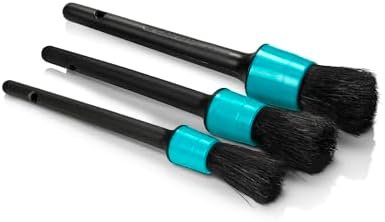
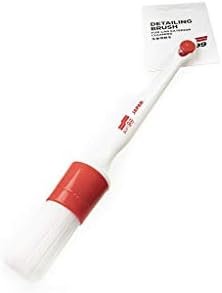
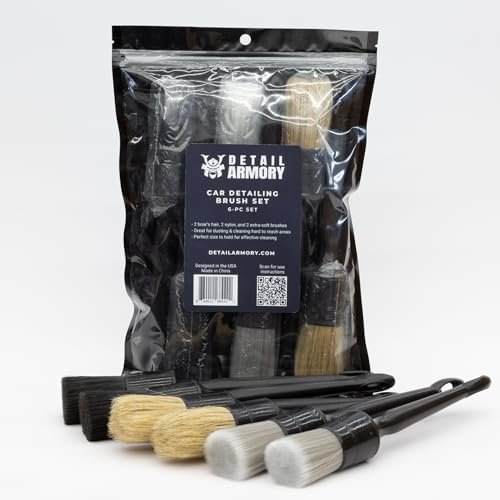
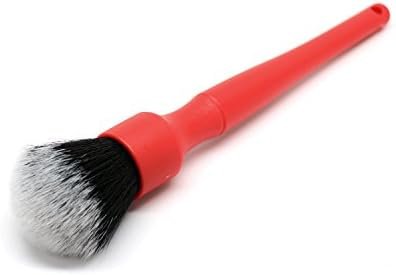
How Car Detailing Brushes Reach Areas That Mitts Can't
Dirt doesn’t just sit on the surface, it hides in seams, grilles, badges, and textured trim. These areas need targeted agitation that mitts and cloths can’t provide.
The wrong brush scratches what you’re trying to protect. Hard bristles on soft paint cause marring. Using the same brush on tyres and then bodywork transfers grime where it shouldn’t go. From our experience, cross-contamination causes more damage than people realise.
Proper brushes give you control. They let you work around delicate areas without risking the finish, and they make awkward spots like door shuts and alloy spokes far easier to clean properly.
What Brushes Are (and Aren’t)
Brushes provide controlled agitation for specific surfaces. They’re designed to dislodge dirt from areas where broader tools can’t reach or would cause harm.
Brushes don’t clean by themselves. They work with the right chemicals and technique. A soft brush with the wrong product still causes problems. A stiff brush used gently in the right place does the job it’s meant for.
One brush doesn’t suit all areas. Interiors need different bristles to exteriors. Tyres need different brushes to paintwork. The key is matching the brush to the surface and keeping them separate to avoid transferring contaminants.
Brush Types (Where It Matters)
-
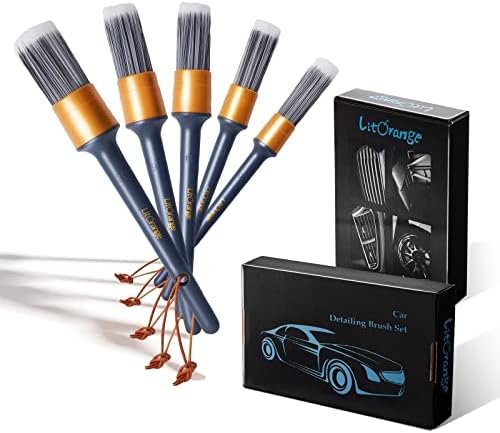
Soft Detailing Brushes
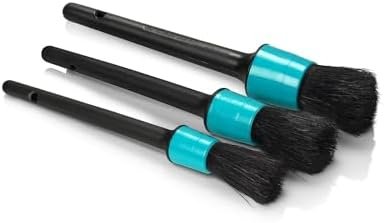
- Soft brushes are for delicate work, interior vents, around badges, between spokes, and sensitive trim.
- The bristles bend easily and won’t scratch plastics, leather, or painted surfaces. These brushes work best with light pressure and are often small enough to get into tight gaps.
- We’ve found they’re useful for final touches where precision matters more than power. A lot of users mention these brushes make cleaning intricate areas far less stressful.
-
Stiff Brushes
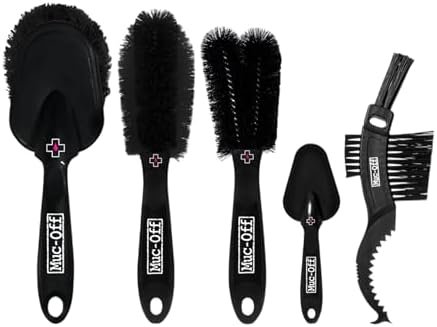
- Stiff brushes handle heavy contamination on durable surfaces, tyres, wheel arches, rubber seals, and undercarriage components.
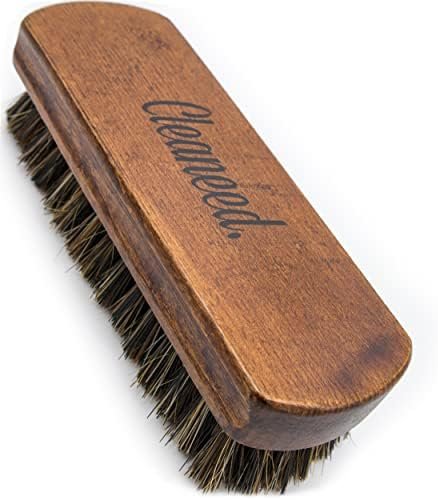
- The bristles hold their shape under pressure and scrub away baked-on grime that softer tools can’t shift. These brushes should never touch paint.
- We regularly see people damage bodywork by using tyre brushes where they shouldn’t. Where these work well is on surfaces that can take the aggression. Tyre sidewalls, engine bays, and matt-black plastic trim all benefit from firmer bristles.
How to Choose the Right Brushes
- For paint and delicate trim
Use only soft detailing brushes with flexible bristles. If you’re unsure whether a surface is safe, start soft.
- For wheels and arches
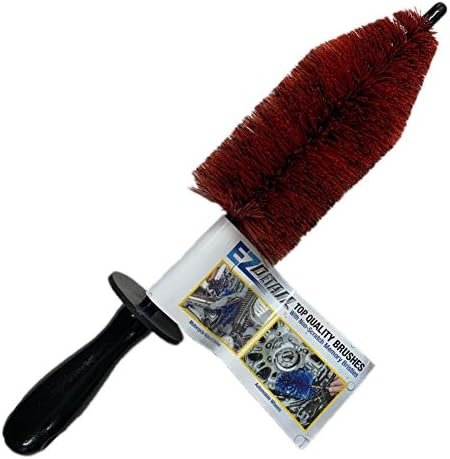
Dedicated wheel brushes with medium-to-stiff bristles work best. Angled or curved designs help reach behind spokes.
- For tyres and heavy-duty areas
Stiff brushes with firm bristles handle baked-on grime. Keep these completely separate from anything that touches paint.
- For interiors
Very soft brushes designed for vents, screens, and upholstery. These shouldn’t be used outside the cabin.
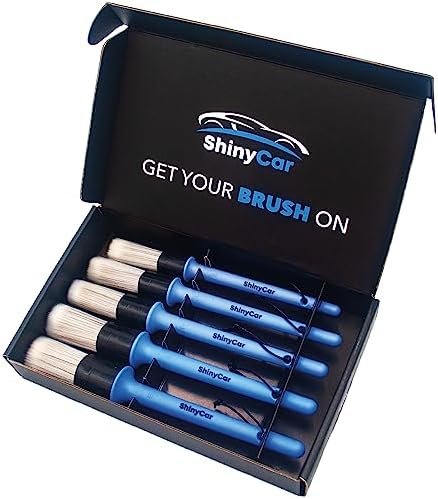
If you’re building a basic set, start with one soft detailing brush for paint and trim, one medium wheel brush, and one stiff tyre brush. That covers most situations without overlap or risk of cross-contamination.
Common Brush Mistakes to Avoid
- Using one brush everywhere
This transfers dirt and grime between surfaces. Tyre brushes should never touch paint. Wheel brushes shouldn’t go inside the car. Keep them separated and labelled.
- Not cleaning brushes after use
Dirty brushes hold grit and contamination. Rinse them thoroughly after each use and let them dry properly. We’ve seen brushes cause scratches simply because they weren’t cleaned between washes.
- Applying too much pressure
Let the bristles do the work. Pressing hard doesn’t clean better—it just risks damage. Light, repeated passes with the right brush and product work more safely.
- Using the wrong bristle stiffness
Soft surfaces need soft brushes. Hard surfaces can take stiffer bristles. Matching the brush to the job prevents accidental scratches and makes cleaning more effective.
What to Do After Using Brushes
- Rinse brushes thoroughly
Remove all dirt, product, and residue. Pay attention to the base of the bristles where grime hides.
- Store brushes separately
Keep wheel, tyre, and detailing brushes apart. Hanging them or storing them in labelled containers prevents cross-contamination.
- Replace worn brushes
Bristles that splay out or become matted lose effectiveness and can trap dirt. If a brush looks tired, replace it before it causes problems.
The right brush prevents damage before it starts. Match the tool to the surface, keep them clean, and never mix exterior and interior brushes. That simple discipline makes every wash safer and more effective.
FAQs
What brushes do car detailers use?
Professional detailers typically use a range of brushes matched to specific tasks. Soft natural or synthetic bristle brushes for interiors and delicate trim, medium-stiffness brushes for wheels and spokes, and firm brushes for tyres and heavy-duty areas. We’ve found that most serious detailers own at least five to seven different brushes, each dedicated to a particular surface or contaminant type. The key difference between professional and consumer approaches is brush separation. Professionals keep wheel brushes completely separate from paint brushes, and interior brushes separate from exterior ones. That discipline prevents cross-contamination and makes every brush last longer because it’s not being misused on inappropriate surfaces.
How do you choose a detailing brush set?
Start by identifying the surfaces you clean most often. If you mainly work on interiors, prioritise soft brushes in various sizes for vents, screens, and upholstery. If you focus on exteriors, you’ll need brushes for wheels, tyres, and engine bays alongside soft detailing brushes for paint and trim. We regularly see people buy large sets and then only use three or four brushes, so it’s better to start focused and expand later. Bristle stiffness matters more than size. Match soft brushes to delicate surfaces, medium brushes to durable painted areas like alloys, and stiff brushes to rubber and heavy grime. If the set doesn’t clearly indicate what each brush is for, that’s a warning sign. Good brush sets are designed around tasks, not just sold by the number of pieces in the box.
What type of brushes won't scratch automotive paint?
Soft natural-hair or high-quality synthetic brushes with fine, flexible bristles are safe for paint. Look for brushes marketed specifically for detailing paintwork, badges, or trim. These typically have bristles that bend easily under light pressure, which means they won’t dig into the clear coat even if you press slightly too hard. From our experience, boar’s hair and soft nylon brushes work well on painted surfaces without causing marring. The real risk isn’t the brush itself, it’s what’s trapped in the bristles. A soft brush that’s dirty or hasn’t been rinsed properly will scratch paint because it’s holding grit from previous use. Always rinse brushes thoroughly after every session, let them dry completely, and inspect the bristles before you start working. A clean soft brush is safe, a dirty soft brush causes damage.
How do I choose the right detailing brush size?
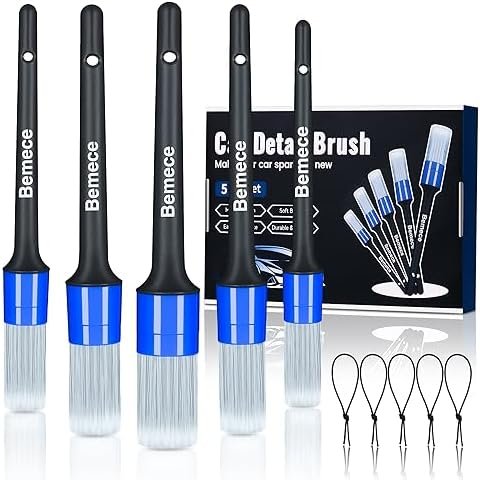
Larger brushes cover more area and suit open surfaces like door cards, wheel faces, and large trim panels. Smaller brushes fit into tight gaps, around badges, between spokes, and into vents. We’ve found that having at least one small, one medium, and one large soft brush covers most situations without needing a drawer full of options. Start with a medium brush for general work and add specific sizes when you find yourself struggling to reach certain areas. Don’t assume bigger is always better. Small brushes give you control in awkward spots, and using a large brush where you need precision just makes the job harder. The general consensus is that two or three well-chosen sizes work more effectively than a dozen brushes that are all slightly too big or too small for the task.
What are the common detailing mistakes with brushes?
Using one brush for everything is the biggest mistake we see. People use the same brush on tyres, wheels, and then paintwork, transferring brake dust and road grime directly onto delicate surfaces. That causes scratches and defeats the purpose of having brushes in the first place. Keep brushes separated by task and label them if needed, it’s a simple habit that prevents expensive damage. Not cleaning brushes properly is the second major issue. Dirty brushes trap grit in the bristles, which then scratches whatever you clean next. Rinse them thoroughly after each use, work soap or cleaner into the base of the bristles where contamination hides, and let them dry before storing. We regularly see people damage their cars with brushes simply because they didn’t rinse them between washes.
Are car detailing brushes worth it?
Yes, if you're trying to clean properly. Mitts and cloths can't reach into grilles, around badges, between spokes, or into vents without risking damage or simply missing the dirt altogether. Brushes give you targeted agitation in areas where broader tools fail, which means you're actually cleaning rather than just wiping surface contamination around. From our experience, the difference is visible immediately in areas like door shuts, wheel barrels, and interior trim. The investment isn't huge. A basic set of three brushes, one soft for paint, one medium for wheels, one stiff for tyres, costs less than a single bottle of decent wax and lasts years if maintained properly. The real value is in preventing damage. Using the right brush in the right place reduces the risk of scratching far more than any amount of careful wiping with the wrong tool.
How to make your own detail brush?
You can modify existing brushes by trimming bristles to create stiffer, more precise tools for specific jobs. Cut the bristles shorter to make them firmer, or thin them out for softer contact. Some people adapt cheap household brushes for areas like engine bays or wheel arches where purpose-built detailing brushes would be overkill. We've seen people create effective tyre brushes from modified deck brushes simply by cutting them down to size. That said, purpose-built detailing brushes are inexpensive enough that making your own usually isn't worth the effort unless you need something very specific. The bristle quality, handle ergonomics, and overall design of proper detailing brushes are hard to replicate with DIY modifications. If you're curious, experiment with one or two adapted brushes for heavy-duty work, but don't try to build an entire brush collection from scratch.