How Quick Detailers Safely Maintain Paint Between Washes
Quick detailers handle light dust, fingerprints, and minor marks between proper washes. They’re maintenance products, not cleaning tools.
The main benefit is reducing the risk of scratching when you need to remove light contamination. A quick spray provides lubrication that helps you wipe safely without dragging particles across the paint. From our experience, using them correctly saves your finish from the kind of fine marring that builds up over time.
Where people go wrong is treating detailers like a replacement for washing. They’re not. Use them on lightly dusty paint, not on cars covered in mud or road grime.
What Quick Detailers Are (and Aren’t)
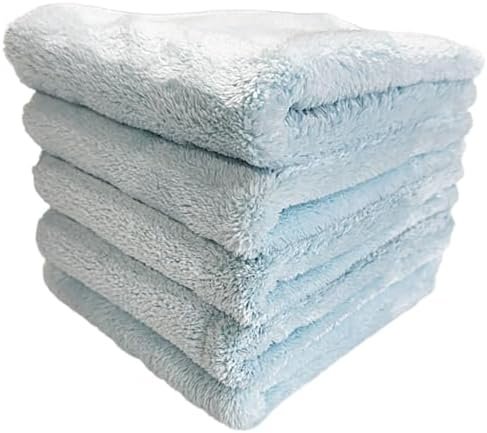
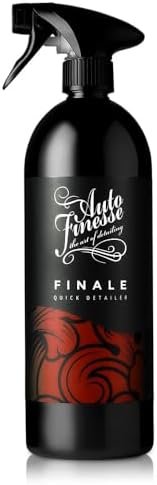
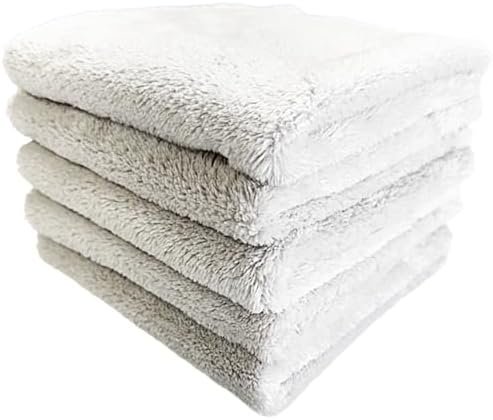
Quick detailers are spray-on products that add light lubrication and a bit of shine. You spray them onto the panel and wipe them off with a microfibre cloth.
They work by encapsulating light dust and providing enough slip to remove it safely. Some also leave behind a thin layer of protection, though this is minimal compared to wax or sealant.
Quick detailers aren’t substitutes for proper washing. They don’t have the cleaning power to deal with heavy dirt, and using them on a filthy car will just drag contamination across the surface. We regularly see complaints from people who’ve scratched their paint by misusing detailers this way.
Quick Detailer Types (Where It Matters)
-
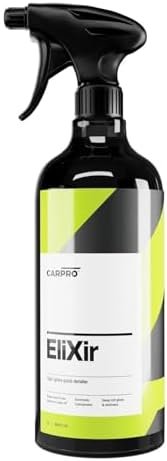
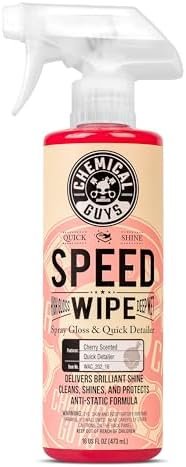
Traditional Detailers
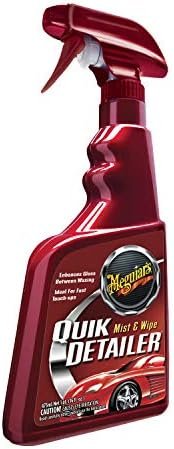
- Traditional detailers focus on light lubrication and a clean finish. They’re straightforward: spray, wipe, done.
- We tend to use these after a car’s been parked for a few days and picked up a layer of dust, or when you need to clean fingerprints off after refuelling. They don’t offer much lasting protection, but that’s not really the point.
- Most traditional detailers work quickly and leave minimal residue if you don’t over-apply them.
-
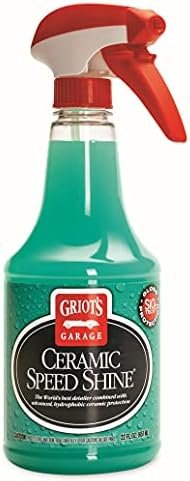
Spray Sealant Hybrids
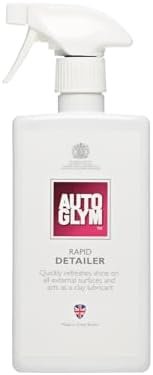
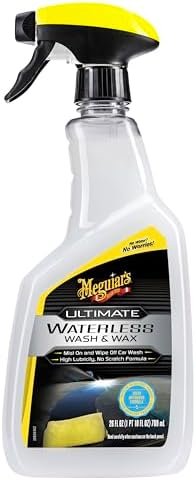
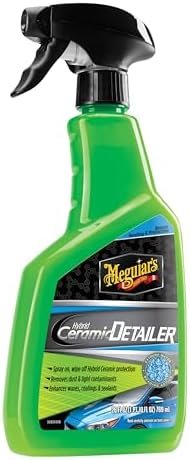
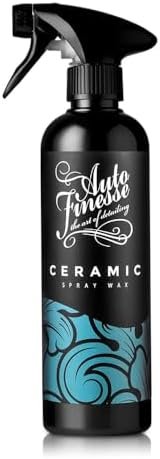
- Spray sealant hybrids combine detailing with a layer of synthetic protection. They still handle light dust, but they also top up your existing wax or sealant.
- What we’ve found is that these work well if you’re maintaining a car that’s already protected. They extend the life of your base layer and keep water beading between applications. The downside is they can streak more easily if you use too much product or don’t buff properly.
- If you’re just after quick cleaning without extra steps, a traditional detailer is simpler. If you want to refresh protection at the same time, hybrids make sense.
How to Choose the Right Quick Detailer
- For light dust and fingerprints
A traditional detailer does the job. Simple formula, easy application, no fuss.
- For topping up protection
Choose a spray sealant hybrid. You’ll maintain your existing layer whilst cleaning light marks.
- For ceramic-coated cars
Check the label. Some detailers are designed to work with coatings, others can interfere with their hydrophobic properties.
- For beginners
Start with a traditional detailer. Fewer variables, less risk of streaking or misuse.
If you’re not sure whether your car is clean enough to use a detailer, it probably needs a proper wash instead.
Common Quick Detailer Mistakes
- Using on dirty paint
This is the biggest mistake we see. Detailers are for light dust, not mud, grime, or road film. Using them on heavily soiled paint causes scratches.
- Over-wiping the same area
Spray once, wipe once or twice, move on. Repeatedly rubbing the same spot increases the risk of marring, especially if there’s any grit left on the surface.
- Applying in direct sunlight
Detailers dry too quickly in the sun, making them harder to buff and more likely to streak.
- Using too much product
More isn’t better. A light mist is enough. Over-application leaves residue and makes buffing harder.
- Skipping proper washes
Detailers aren’t a long-term replacement for washing. If you rely on them too heavily, dirt builds up and eventually damages the paint.
What to Do After Using a Quick Detailer
- Follow up with a proper wash when needed
Detailers are stopgaps. Once the car gets properly dirty, it needs a full wash with shampoo and mitts.
- Inspect your microfibre cloths
If they’re picking up a lot of dirt, the car is too contaminated for a detailer. Bin or wash the cloth before using it again.
- Don’t let detailing replace your protection routine
Even spray sealant hybrids don’t replace proper wax or coating applications. Keep up with your usual protection schedule.
Quick detailers maintain—they don’t correct. Use them to keep a clean car looking fresh, not to fix a dirty one.
FAQs
What does a quick detailer do?
Quick detailers add a thin layer of gloss and slickness to the paint between proper washes. They’re spray-and-wipe products designed to remove light dust, fingerprints, or water spots without needing a full wash setup. Most also contain polymers or waxes that temporarily boost protection and water beading. From our experience, quick detailers are best used as maintenance products rather than primary protection. They keep an already-protected surface looking fresh and extend the life of wax, sealant, or ceramic coatings. They won’t correct defects or provide serious protection on their own, but they’re useful for topping up between washes or after rain.
Can I use a quick detailer to clean my car?
You can remove light dust or pollen, but quick detailers aren’t designed for properly dirty cars. Using them on a car with road grime, mud, or heavy contamination risks scratching the paint because you’re wiping particles across the surface instead of rinsing them away first. The safest use is after a wash to dry and add gloss, or on a lightly dusty car that doesn’t need a full wash. From what we see in reviews, people who use quick detailers on genuinely dirty cars often complain about marring or streaking, which is user error rather than product failure. Always pre-rinse if there’s visible dirt.
Is quick detailer the same as wax?
No, they serve different purposes. Wax provides primary protection and lasts weeks or months depending on the type. Quick detailers add a temporary boost of gloss and slickness that lasts a few days at most. Some quick detailers contain wax or polymers, but the concentration and durability are much lower than a proper wax application. From our experience, quick detailers work best as a topper for existing protection, not a replacement. If your car’s already waxed or sealed, a quick detailer maintains that protection between full applications. If the paint’s bare, a quick detailer won’t offer enough protection to be worthwhile.
How often should I apply a quick detailer?
As often as you want to maintain gloss and slickness, typically after every wash or weekly if the car’s lightly dusty. Quick detailers are designed for frequent use, and there’s no real downside to using them regularly as long as the car isn’t heavily soiled when you apply them. From what we see, most people use quick detailers once or twice a week on daily drivers, or immediately after washing to enhance drying and add shine. If you’re using one daily, that’s probably overkill unless you’re obsessive about keeping the car spotless. Weekly or after each wash is a more practical routine.
Will a detailer remove scratches?
No, quick detailers don’t have the abrasives needed to remove scratches. They might temporarily fill in very fine marks or make them less visible by adding gloss, but that’s masking, not correcting. As soon as the detailer wears off, the scratches reappear. If you have visible scratches or swirl marks, you need a polish or compound to actually level the clear coat and remove the defect. From our experience, people who expect quick detailers to fix paint damage are always disappointed. They’re maintenance products, not correction products.
How dirty is too dirty for a quick detailer?
If there's visible dirt, mud, or grit on the paint, it's too dirty. Quick detailers work on lightly dusty or freshly washed surfaces, not on cars with road grime or contamination. Wiping dirt around with a detailer is a fast way to inflict marring because you're dragging particles across the clear coat. From what we see in reviews, this is the most common mistake with quick detailers. A good rule is that if you wouldn't feel comfortable wiping the surface with a microfibre cloth dry, it's too dirty for a quick detailer. Pre-rinse or do a proper wash instead.
Is it better to wax or buff a car?
This question mixes two different things. Waxing applies a protective layer to the paint. Buffing usually refers to either removing wax residue after application or polishing the paint to remove defects with an abrasive compound. They're not alternatives, they're separate steps. If your paint has scratches or dullness, you'd polish or buff first to correct it, then wax to protect the results. If the paint's already in good condition, you can skip polishing and go straight to waxing for protection. From our experience, buffing without wax leaves the paint vulnerable, and waxing over defects just protects a poor finish.