How Ceramic Protection Delivers Long-Lasting Resistance and Easy Maintenance
Ceramic protection creates a hard, hydrophobic layer on your paintwork that resists contamination and makes maintenance easier. Water beads and runs off cleanly, dirt struggles to bond, and washing becomes less frequent.
The key benefit is durability. Where wax might last a few weeks and sealants a few months, proper ceramic coatings can protect for a year or more. This saves time on reapplication and keeps your car cleaner between washes.
From our experience, preparation matters more than the coating itself. Apply ceramic protection to contaminated or poorly prepped paint and you’ll lock in problems rather than solve them.
What Ceramic Products Are (and Aren’t)
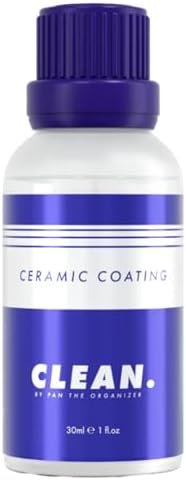
Ceramic products bond to paint and create a protective layer using silicon dioxide or similar compounds. True coatings form a semi-permanent bond that requires removal by polishing. Ceramic sprays provide a lighter, temporary version of the same protection.
They don’t fix existing damage. Swirl marks, scratches, and contamination stay visible under the coating. What ceramic protection does is prevent new damage from occurring and make dirt easier to remove.
True coatings require clean, often polished paint to bond properly. They’re sensitive to application conditions and need curing time. Ceramic sprays are more forgiving but don’t last as long. We’re not saying one is better than the other—they serve different purposes depending on your needs and experience level.
Ceramic Protection Types (Where It Matters)
-
True Ceramic Coatings
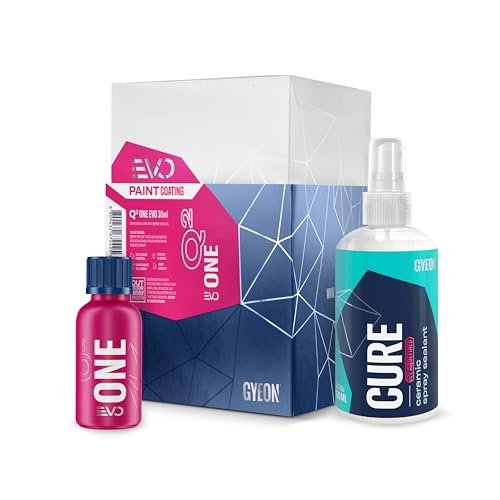
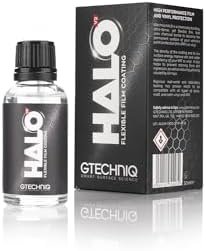
- True ceramic coatings offer long durability, often lasting 12 months or more with proper maintenance. They create a hard layer that’s highly resistant to chemicals, UV, and contamination.
- Application is more involved. The paint needs decontaminating and ideally polishing beforehand. The coating itself has a limited working time, and you need to work panel by panel to avoid high spots or uneven coverage. Curing can take 24 hours or longer depending on the product.
- What we see is that people who take the time to prepare properly get excellent results. Those who rush the process often end up with streaks, uneven bonding, or reduced durability. It’s not a product you can apply casually.
-
Ceramic Sprays
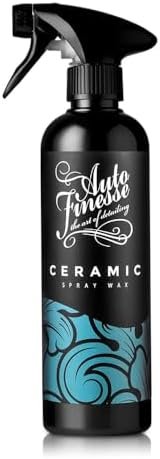
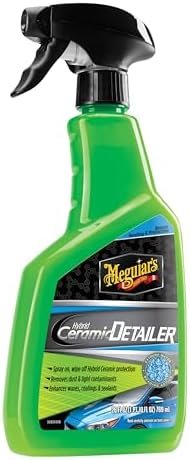
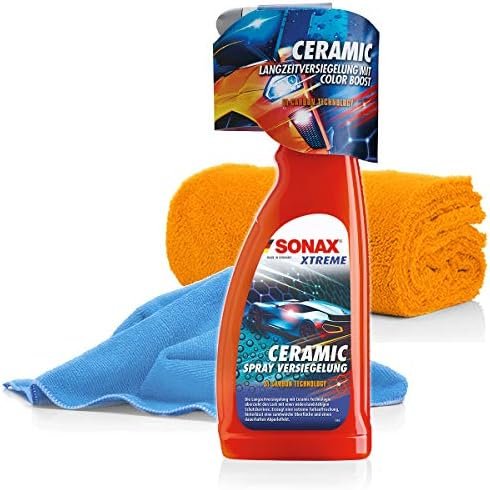
- Ceramic sprays are easier to apply and more forgiving. They go on like a spray sealant: spray, spread, buff. No complex curing, no strict time limits.
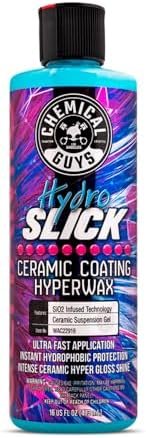
- The trade-off is durability. Most ceramic sprays last weeks to a few months, not a full year. They still provide hydrophobic behaviour and contamination resistance, just not as intensely or for as long as a true coating.
- We tend to recommend ceramic sprays for people who want ceramic-style performance without the commitment or for those topping up an existing coating between applications.
How to Choose the Right Ceramic Option
- For enthusiasts with time and experience
True ceramic coatings offer the best durability and protection. If you’re prepared to prep properly and follow the application process carefully, they’re worth it.
- For convenience and ease
Ceramic sprays give you hydrophobic performance without the stress. They won’t last as long, but they’re harder to mess up.
- For cars with existing protection
Ceramic sprays work well as a top-up layer. They refresh water beading and add a bit of extra protection between full applications.
- For beginners
Start with a ceramic spray. Get familiar with how ceramic products behave before committing to a full coating.
If you’re considering a true coating, make sure your paint is genuinely clean and decontaminated. Applying it over existing wax or sealant will reduce bonding and shorten its life.
Common Ceramic Coating Mistakes
- Skipping proper preparation
This is where most people fail. True coatings need clean, contaminated-free paint. Skipping decontamination or applying over old wax reduces durability significantly.
- Expecting coatings to fix defects
Ceramic protection doesn’t fill scratches or remove swirls. It locks in whatever’s already there. If your paint has defects, address them before coating.
- Applying in poor conditions
True coatings are sensitive to temperature and humidity. Applying in direct sunlight, extreme cold, or high humidity affects curing and bonding.
- Using too much product
Ceramic coatings work in thin layers. Over-application creates high spots, streaking, and uneven coverage. Less is more.
- Not following curing instructions
Most coatings require curing before exposure to water. Ignoring this can ruin the bond. We regularly see complaints from people who washed too early and ended up with patchy protection.
What to Do After Application
- Follow the curing instructions exactly
Don’t wash, don’t expose to rain, don’t touch the paint. Give the coating time to bond properly.
- Maintain correctly with pH-neutral products
Use pH-neutral shampoos designed for ceramic coatings. Harsh chemicals can degrade the layer over time.
- Inspect regularly for wear
Even true coatings wear down in high-contact areas like door handles and boot edges. Top up or reapply as needed.
- Don’t assume the coating is indestructible
Ceramic protection is durable, but it’s not permanent. It still needs maintaining, and it will eventually need reapplying.
Ceramic protection rewards preparation. Put the effort in upfront and you’ll get months of reliable performance. Rush it and you’ll waste time and product fixing problems.
FAQs
What is the downside to ceramic coating?
The main downside is difficulty of application and cost of mistakes. True ceramic coatings cure chemically and bond permanently to the paint. If you apply too much, leave it too long before buffing, or work on contaminated paint, you’ll get streaking or high spots that are extremely difficult to remove. Some require machine polishing to fix. Ceramic coatings also aren’t as forgiving as wax or sealant when it comes to maintenance. They still need regular washing, and if you let dirt build up or use harsh chemicals, the coating degrades faster than expected. From what we see in reviews, most complaints come from poor prep or unrealistic expectations about them being maintenance-free. They’re not scratch-proof, and they won’t hide existing defects.
How long does a ceramic coating last?
True ceramic coatings can last one to two years, sometimes longer with proper maintenance. Ceramic spray products, which are easier to apply, typically last a few weeks to a couple of months. The confusion between these two product types causes a lot of frustration when people expect spray products to last as long as true coatings. Actual durability depends heavily on prep and maintenance. If the paint wasn’t properly decontaminated before application, or if you’re washing with harsh shampoos, even a true coating will degrade faster. From our experience, most DIY ceramic coatings last around 12 to 18 months with good care. Professional-grade coatings with proper prep can push beyond two years.
What needs to be done before ceramic coating?
The paint must be spotless, fully decontaminated, and ideally polished. Any defects, oils, or contamination left on the surface will be locked in once the coating cures. Start with a thorough wash, then use clay or a decon mitt to remove embedded particles. If there are swirls, scratches, or oxidation, polish them out. The final step before coating is a panel wipe with isopropyl alcohol or a dedicated prep solution. This removes any polishing oils or residues that would prevent the coating from bonding. From what we see, skipping this step is one of the main reasons coatings fail early or don’t perform as expected. It’s the prep, not the product, that makes or breaks results.
Can I wax over ceramic coating?
You can, but there’s no real benefit. Ceramic coatings are already harder and more durable than wax, so layering wax on top won’t improve protection. It might temporarily boost gloss or water beading, but you’re essentially covering a superior product with an inferior one. What makes more sense is using a ceramic spray topper or a dedicated ceramic maintenance product. These are designed to work with coatings and refresh their properties without interfering with the bond. From our experience, people who wax over ceramic coatings usually do it out of habit, not because it adds value.
Will a car wash ruin ceramic coating?
A proper hand wash with pH-neutral shampoo won’t damage ceramic coating, that’s exactly how you should maintain it. Automatic car washes with harsh brushes, strong alkaline chemicals, or high-pressure blowers can degrade the coating faster though. The abrasion from dirty brushes is the main risk, not the washing itself. From what we see in reviews, ceramic coatings on cars that go through automatic washes weekly tend to lose their water-repelling properties within six to eight months instead of lasting a year or more. If you want the coating to last, stick to hand washing with gentle products designed for coated or protected vehicles.
What destroys ceramic coating?
Harsh chemicals are the biggest enemy. Strong alkaline or acidic cleaners, certain wheel cleaners, and some traffic film removers can break down the coating's structure. Abrasive compounds or pads used for polishing will also strip ceramic coatings, which is why fixing application mistakes is so difficult. Neglect is another factor. Letting dirt, grime, or bird droppings sit on the coating for extended periods degrades it faster. Contamination bonds to the surface and, when removed improperly, can pull away some of the coating. We've found that coatings maintained with regular gentle washing last much longer than those left dirty between occasional aggressive cleans.
How often should I wash a ceramic coated car?
Wash when the car's visibly dirty, just like you would with any other protection. The difference is that ceramic-coated paint sheds dirt more easily, so you might not need to wash as frequently. Every one to two weeks is typical for a daily-driven car, but it depends on conditions and how particular you are about cleanliness. From our experience, washing more frequently with a gentle method is better than waiting until the car's filthy and needing aggressive cleaning. Coatings reduce how much dirt bonds, but they don't eliminate it. Regular light washes maintain the coating's performance better than infrequent heavy-duty cleans.
Can you pressure wash a ceramic coated car?
Yes, pressure washing is fine and actually one of the benefits of ceramic coating. The slick surface and water-repelling properties mean dirt lifts more easily under pressure, so you often need less agitation during washing. Just avoid using excessively high pressure or holding the nozzle too close, as that can damage any paint protection, not just ceramic. From what we see, ceramic-coated cars rinse cleaner with less effort. You'll use less shampoo and less scrubbing because contamination doesn't bond as aggressively. We've found that a good pre-rinse with a pressure washer removes most loose dirt before you even touch the paint.