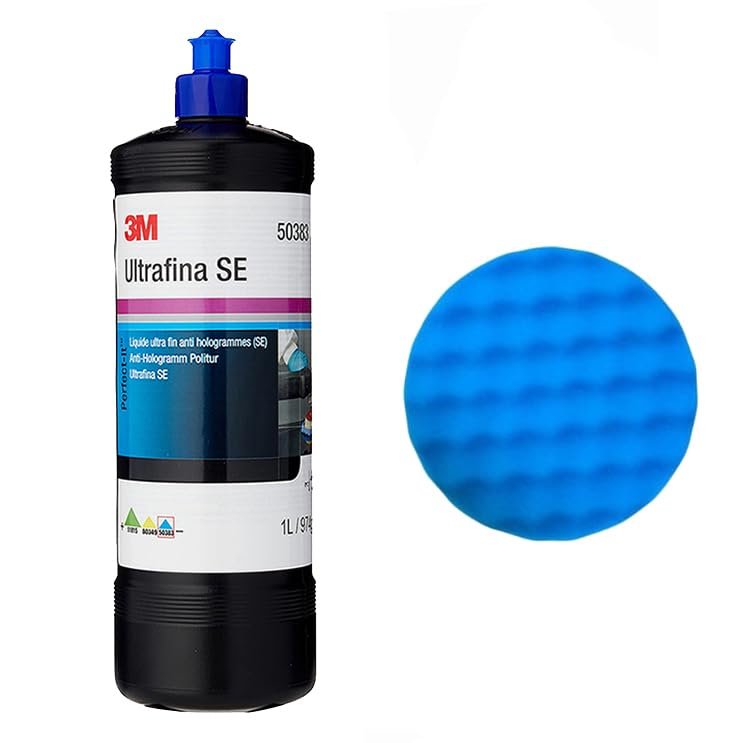
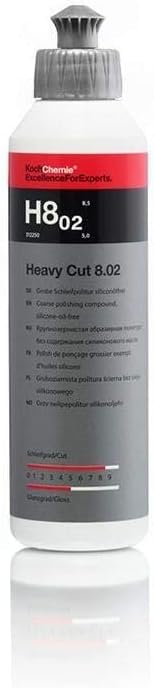
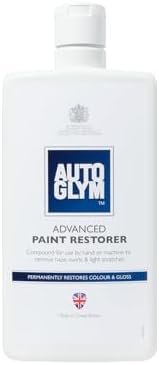
How Compounds & Polishes Restore Clarity and Gloss
Compounding and polishing are the steps that actually correct paint, not just clean it. Washing and decontamination remove surface dirt, but they don’t level out scratches, swirls, or oxidation.
These products work by removing tiny amounts of clear coat to smooth the surface. When defects are levelled, light reflects cleanly again instead of scattering, which restores gloss and clarity.
From our experience, over-correction causes more damage than under-correction. You can always do another pass, but you can’t put clear coat back once it’s gone.
What Compounds & Polishes Are (and Aren’t)
Compounds and polishes are paint correction products. They contain abrasives that level the clear coat to reduce or remove defects.
They don’t add protection. Their job is to improve the paint’s condition , once the correction is done, the surface needs protecting separately with wax, sealant, or ceramic coating.
Technique, pad choice, and machine use all affect results. The liquid is only part of the process.
Compound & Polish Types (Where It Matters)
-
Cutting Compounds
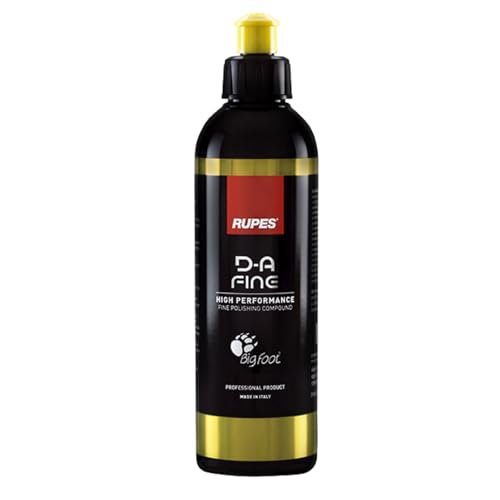
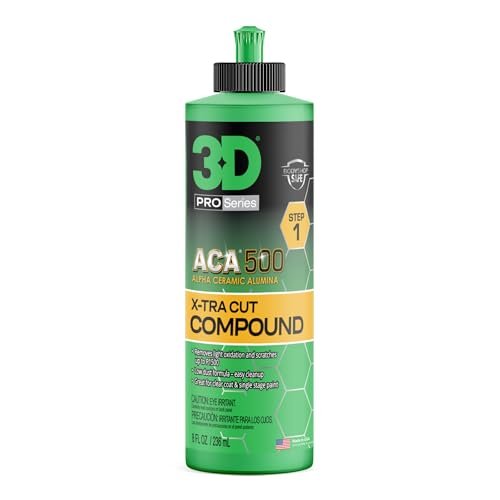
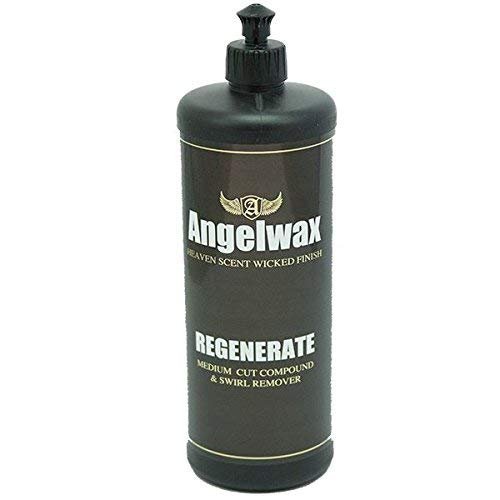
- Cutting compounds are the most aggressive option. They contain larger or harder abrasives designed to remove deeper defects like scratches, heavy swirling, or oxidation.
- The correction potential is high, but so is the risk. Compounds remove more clear coat per pass, which means mistakes are harder to recover from. They also leave behind haze or micro-marring that needs refining with a finer polish afterwards.
- We’ve found that people often reach for compounds first, assuming more aggression means faster results. That’s true, but it also increases the chance of going too far. Starting with a less aggressive product and stepping up only if needed is the safer approach.
-
Finishing Polishes
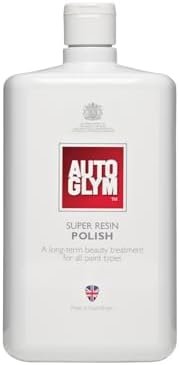
- Finishing polishes contain finer abrasives. They refine the surface after compounding, removing haze and bringing out gloss.
- Polishes don’t have the correction ability of compounds, but they’re better at creating a smooth, reflective finish. For light defects or maintenance work, a finishing polish on its own may be enough.
- What stands out from reviews is that skipping the polishing step after compounding leaves the paint looking flat or hazy, even if the defects are gone. The refining stage is what delivers the final clarity.
-
All-in-One Products
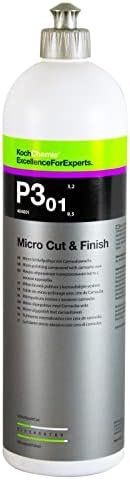
- All-in-one products aim to cut and finish in a single step. They contain a mix of abrasive sizes designed to correct defects and refine the surface without needing multiple products.
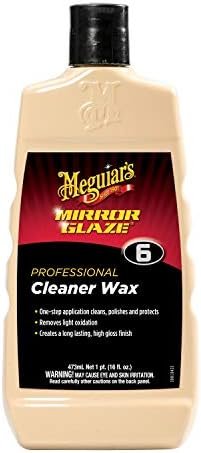
- There’s always a compromise. All-in-ones won’t match the correction power of a dedicated compound or the gloss of a dedicated finishing polish. For light to moderate correction, they work well. For heavily damaged paint, a two-step process delivers better results.
- We’d recommend these for beginners or for regular maintenance rather than serious correction work.
How to Choose the Right Option
- For beginners or light correction
Start with a mild finishing polish or an all-in-one product. These are forgiving, easier to control, and less likely to cause problems if technique isn’t perfect.
- For heavy defects like deep scratches or oxidation
Use a cutting compound followed by a finishing polish. The compound removes the defect, and the polish refines the surface to restore gloss.
- For maintenance or regular top-ups
A light finishing polish is enough. Heavy correction isn’t needed if the paint is already in decent condition , you’re just maintaining what’s there.
If you’re unsure how aggressive to go, start mild. You can always step up to a stronger product if the results aren’t sufficient, but you can’t undo damage from starting too aggressive.
Common Compounding & Polishing Mistakes to Avoid
- Using aggressive products unnecessarily
Heavier compounds remove more clear coat. If a finishing polish would handle the defect, there’s no reason to use a compound. Over-correction thins the clear coat faster than needed and increases long-term risk.
- Skipping test spots
Paint hardness varies between manufacturers and even between panels on the same car. Testing a small, hidden area first shows how the paint responds before committing to the whole car.
- Expecting perfection in one pass
Correction takes time. Trying to remove every defect in a single pass often leads to too much pressure, too much product, or too much heat , all of which cause problems. Multiple light passes are safer and more effective than one heavy one.
What to Do After Polishing
- Remove residue thoroughly
Polishing leaves behind oils and product residue. Wiping the panel clean with a microfibre towel and a panel wipe or diluted isopropyl alcohol ensures the surface is ready for protection.
- Apply protection immediately
Polished paint has no protection. Wax, sealant, or ceramic coating should be applied soon after correction to prevent the paint from bonding with new contaminants.
Polishing improves paint , restraint protects it. Better to leave minor marks than risk going too far.