Car Window Cleaning Products
Top Picks Worth Considering
Click through to check today's price and availability from trusted retailers.
- All brands
- 3M
- 303 Products
- AngelWax
- Armor All
- AutoBead
- Auto Finesse
- Autoglym
- Bilt Hamber
- Bluecol
- Carbon Collective
- Car Gods
- Carmax
- CarPlan
- CarPro
- Chemical Guys
- detailmate
- Diamondbrite
- Duel Autocare
- Goodyear
- Gtechniq
- Gyeon
- Holts
- Homexcel
- Invisible Glass
- Jennychem
- King of Sheen
- Koch Chemie
- Meguiar's
- Minky
- Nanotekas
- Obdkcan
- Orvarto
- Prestone
- Rain-X
- Scrubb
- Simoniz
- SOFT99
- Sonax
- Supagard
- Rating: High to Low
- Rating: Low to High
- Title: A → Z
- Title: Z → A
How Clean Glass Improves Visibility and Safety
Clean, well-maintained glass makes a bigger difference than most people realise. Streaks, smears, and water behaviour all affect how clearly you can see, especially at night or in bad weather.
The mistake we see most often is treating all glass products the same. A cleaner removes dirt but offers no protection. A coating lasts months but won’t clean existing grime. Using the wrong product at the wrong time leaves people frustrated with the results.
From our experience, understanding what each product type actually does saves time and money. This category separates cleaners from protection products, so you know exactly what you’re applying and why.
Glass Product Types
-
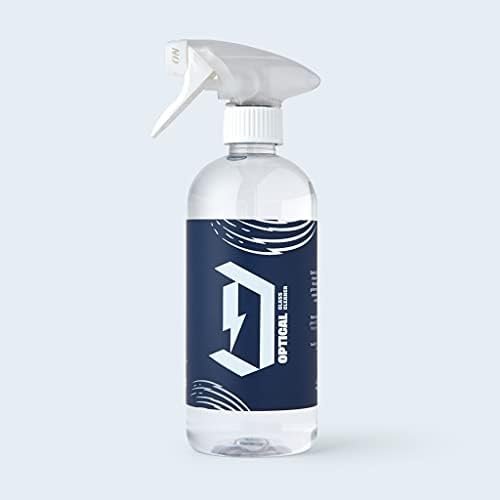
Glass Cleaner
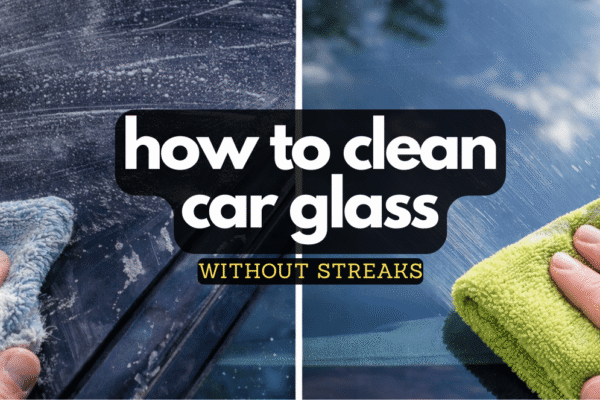
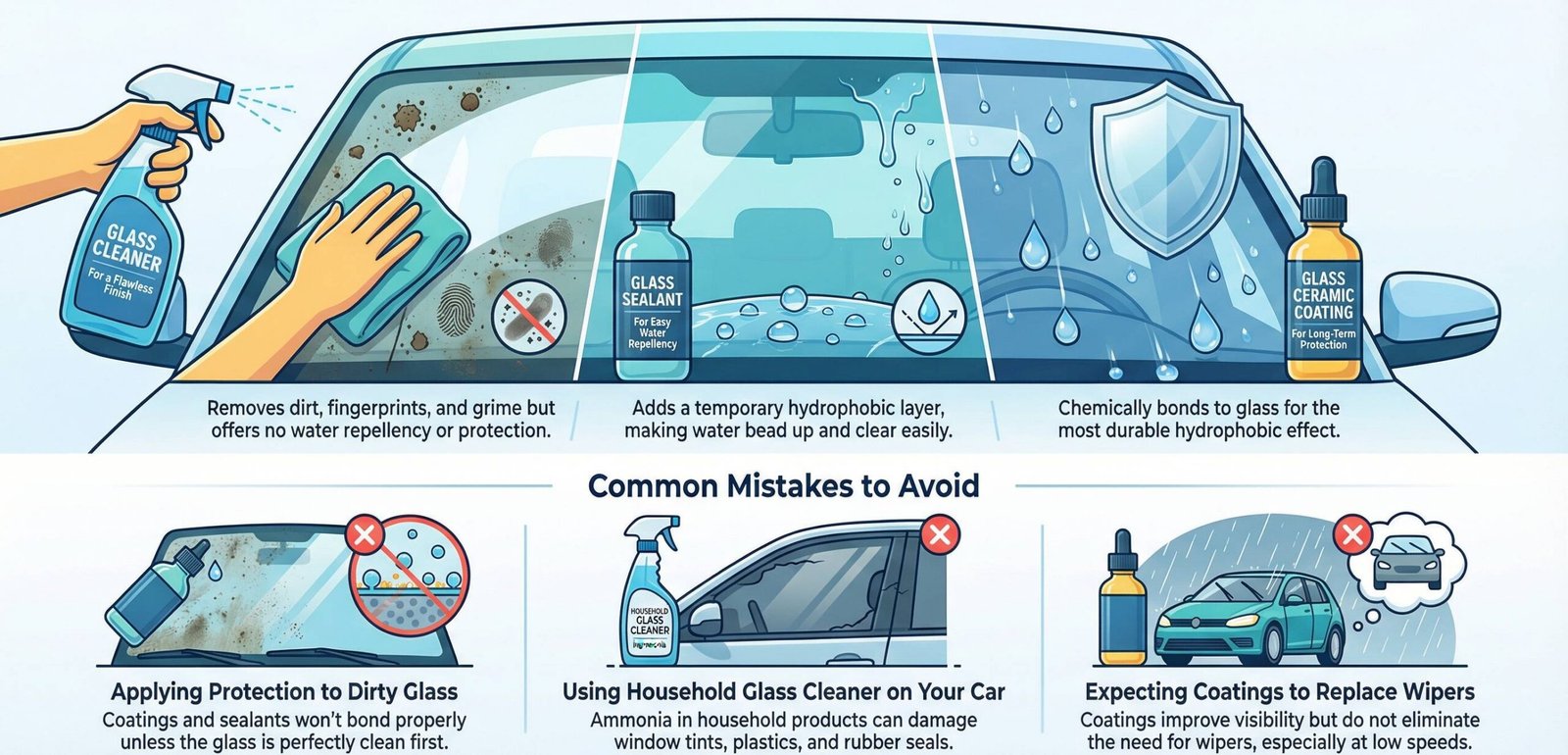
- Glass cleaners are designed to remove dirt, grease, fingerprints, traffic film, and interior haze without leaving residue. They focus on clarity and streak-free finishes rather than protection.
- We use these regularly on bare glass or glass that already has protection applied. They’re safe to use frequently and won’t interfere with existing coatings or sealants.
- What stands out for us is that cleaners don’t provide water repellency. They restore clarity, but nothing more.
-
Glass Sealant
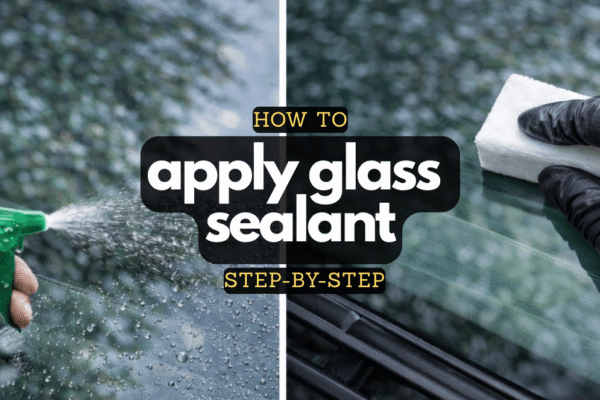
- Glass sealants add a temporary hydrophobic layer that helps water bead and clear more easily, particularly at speed. They sit between cleaners and coatings in terms of durability.
- From our experience, sealants are chosen for ease of use and quick refreshes. They improve wet-weather visibility but require periodic reapplication.
- A lot of users mention that sealants are convenient, but they’re not a permanent solution. Wiper action and harsh weather wear them down over time.
-
Glass Wax
- Glass waxes provide short-term slickness and water behaviour improvement using wax-style formulations adapted for glass surfaces. They’re typically easy to apply and remove.
- The trade-off is durability. Glass wax offers limited protection, especially on windscreens exposed to regular wiper use.
- We tend to see glass wax treated as light, short-term protection rather than a replacement for sealants or coatings. It’s best used when you want quick results without commitment.
-
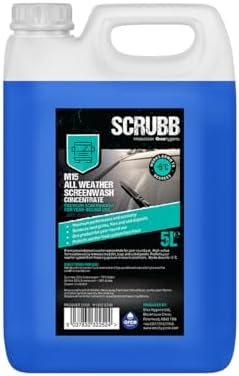
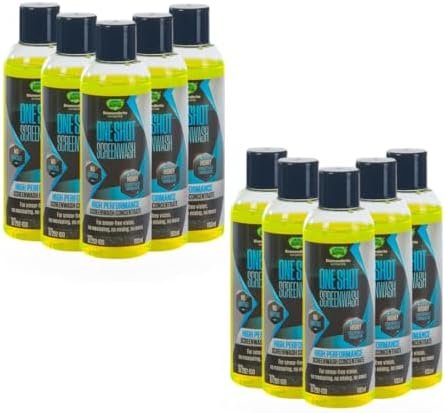
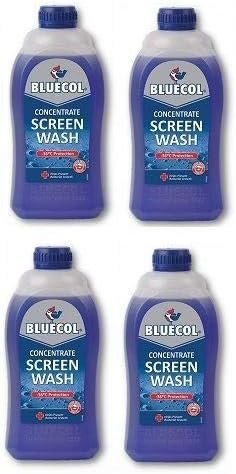
Car Screenwash
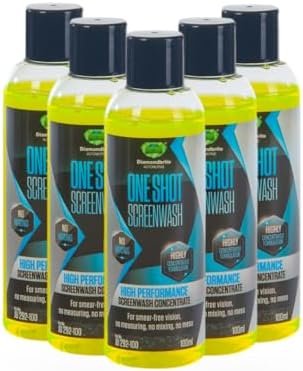
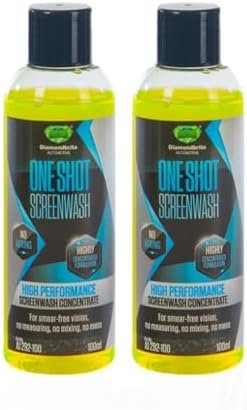
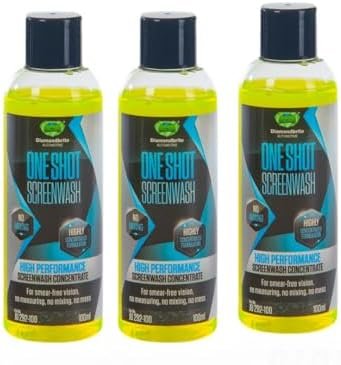
- Car screenwash is designed for ongoing windscreen maintenance through the washer system. Its role is to remove road grime and insects, reduce smearing, and provide freeze protection where required.
- Screenwash does not provide surface protection and does not replace dedicated glass cleaning or protective products, but it has a direct impact on day-to-day visibility.
- What we’ve found is that cheap screenwash often leaves residue or smears. A decent product makes a noticeable difference, especially in winter.
-
Glass Ceramic Coating
- Glass ceramic coatings create a longer-lasting hydrophobic layer that chemically bonds to the glass surface. They’re designed for extended durability, improved water shedding, and reduced reliance on wipers at speed.
- Lifespan varies depending on driving conditions and wiper abrasion, particularly on windscreens. Side windows and rear glass tend to hold coatings longer.
- We regularly see people praise the initial results but get frustrated when durability doesn’t match their expectations. Coatings last, but they’re not permanent.
How to Choose the Right Glass Products
- For regular cleaning and maintenance
Use a dedicated glass cleaner. It removes dirt and film without leaving streaks, and it’s safe to use as often as needed. - For improved wet-weather visibility
A glass sealant is the easiest option. It provides water repellency without the commitment of a coating, and reapplication is straightforward. - For quick, short-term protection
Glass wax works well if you want a bit of slickness and beading but don’t want to invest time or money in something longer-lasting. - For everyday washer fluid needs
Choose a screenwash that suits your climate. If you drive in winter, freeze protection matters. If you drive in summer, focus on effective cleaning. - For long-term hydrophobic protection
A glass ceramic coating is the best choice. It lasts longer than sealants or waxes but requires proper application and realistic expectations around durability. - For heavily contaminated glass
Start with a glass cleaner to remove grime and residue. Protection products won’t work properly on dirty glass.
Common Glass Product Mistakes to Avoid
- Using household glass cleaner on car windows
Household cleaners often contain ammonia or other chemicals that can damage tinted windows, dashboard plastics, and rubber seals. We’ve seen this cause more problems than it solves. - Applying protection products to dirty glass
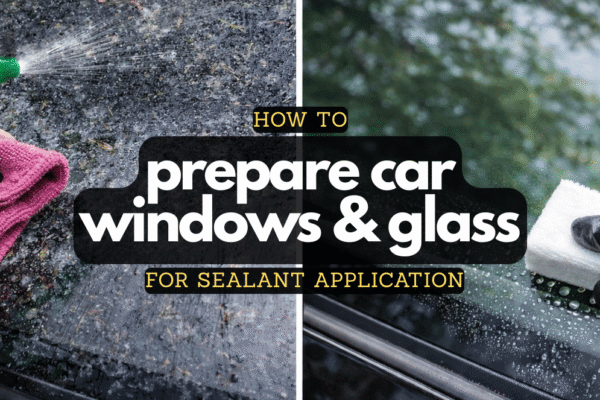
Sealants, waxes, and coatings need clean glass to bond properly. Skipping the cleaning step leads to poor performance and uneven water behaviour. - Expecting coatings to eliminate wiper use
Glass coatings improve water shedding, but they don’t replace wipers entirely. What we see in reviews is that people expect too much and feel let down when rain still requires wipers at low speeds. - Using too much screenwash concentrate
More concentrate doesn’t mean better cleaning. It often leads to smearing and residue. Follow the dilution ratio on the bottle. - Assuming all protection lasts the same amount of time
Glass wax lasts weeks. Sealants last months. Coatings last longer but still degrade. Windscreens wear protection faster than side windows due to constant wiper contact. - Not cleaning the inside of the windscreen
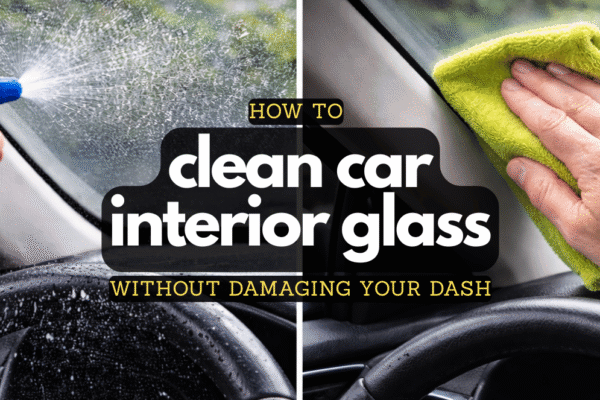
Interior haze from dashboard plastics reduces visibility just as much as exterior dirt. A common complaint we see is streaks that won’t shift, usually because the inside hasn’t been touched.
What to Do After Using Glass Products
- After cleaning
If you’ve just used a glass cleaner, consider whether you want to add protection. Clean glass is the ideal surface for applying sealants, waxes, or coatings. - After applying protection
Give the product time to cure before using wipers or driving in rain. Most sealants and coatings need a few hours to bond properly. - After topping up screenwash
Run the washers briefly to clear old fluid from the lines. This ensures you’re getting the fresh mixture through the system. - After coating glass
Monitor how long the hydrophobic effect lasts in your conditions. Windscreens typically need reapplication sooner than side windows.
Clean, protected glass improves visibility, reduces glare, and makes wet-weather driving safer. The key is using the right product for the job, not expecting one product to do everything.