Microfibre Cloths and Towels
Top Picks Worth Considering
Click through to check today's price and availability from trusted retailers.
- All brands
- Adams Polishes
- Amazon Basics
- Armor All
- Auto Finesse
- Autoglym
- Car Gods
- CarPro
- Cerakote
- Chemical Guys
- Chemicalworkz
- diy detail
- Duel Autocare
- Griot's Garage
- Gtechniq
- Gyeon
- Haochen
- Hydro
- Kirkland
- Mafra
- Meguiar's
- ShinyCar
- Supagard
- The House Of Rags
- Towelogy
- Triplewax
- Xtremeauto
- Rating: High to Low
- Rating: Low to High
- Title: A → Z
- Title: Z → A
FAQs
Can I wash and reuse microfiber cloths?
Yes, microfibre cloths are designed to be washed and reused hundreds of times. High-quality cloths should last for 500 washes or more if you care for them properly. We’ve found that washing them after every use extends their life and keeps them performing well. Use a gentle detergent and avoid fabric softener, which clogs the fibres and ruins absorbency. Wash them separately from regular laundry to prevent lint contamination. If your cloths start feeling rough, leaving streaks, or losing absorbency, it’s time to replace them.
What are the disadvantages of microfiber cloths?
Microfibre cloths can feel scratchy on dry skin and aren’t as comfortable to use as cotton for some people. They also require proper care, washing them incorrectly with fabric softener or bleach damages the fibres permanently. Once contaminated with grit, they can scratch surfaces until properly cleaned. The biggest issue we see is people not washing them frequently enough. Dirty microfibre cloths trap particles that scratch paintwork, which defeats the whole purpose of using them. They’re excellent tools if maintained properly, but they’re not foolproof.
What is the lifespan of a microfiber cloth?
A good microfibre cloth should last up to 500 washes if cared for properly, which could be several years depending on how often you use it. Signs that a cloth needs replacing include fraying edges, roughness to the touch, reduced absorbency, or persistent streaking even after washing. From our experience, most people replace cloths too late rather than too early. If a cloth feels harsh or isn’t picking up dirt as effectively as it used to, bin it. Using worn-out microfibres risks scratching your paint, which costs far more than a new cloth.
What not to wash with microfiber?
Never wash microfibre with cotton towels, fleece, or any fabric that sheds lint. The microfibres will trap the lint and become less effective. Don’t use fabric softener, as it coats the fibres and destroys their ability to absorb water and trap dirt. Bleach breaks down the fibres completely, so avoid that too. We’ve found that washing microfibres separately with a gentle detergent works best. If you must wash them with other items, stick to synthetic materials that don’t shed. Store dirty microfibres in a breathable bag rather than an airtight container, as trapped moisture can cause them to smell.
Does microfiber cloth leave scratches?
High-quality microfibre cloths won’t scratch clear coat if they’re clean and used correctly. The problem occurs when grit gets trapped in the fibres, either from washing a dirty car or from improper washing of the cloth itself. At that point, the cloth acts like fine sandpaper. This is why we always rinse cloths during use and wash them properly afterwards. If a cloth picks up contamination whilst cleaning wheels or door shuts, don’t reuse it on paintwork. Keep separate cloths for different tasks, and replace them when they start feeling rough.
Why does my microfiber cloth leave streaks on my car?
Streaking usually means the cloth has fabric softener residue, isn't fully clean, or is being used on a surface that still has product on it. Fabric softener is the most common culprit, it coats the fibres and turns them into streak-producing machines. We've seen this ruin otherwise good cloths. Make sure you're washing cloths with just a gentle detergent, no softener, and rinsing thoroughly. If a cloth still streaks after a proper wash, it might be worn out. For glass cleaning, slightly damp cloths work better than completely dry ones for avoiding streaks.
Which cloth is best for drying a car?
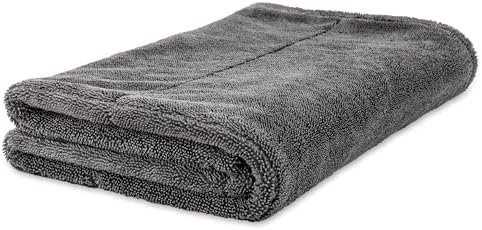
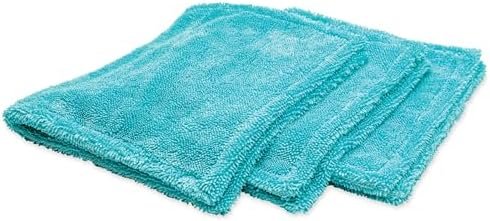
Large, plush microfibre drying towels work best for paintwork. They're specifically designed to be thicker and more absorbent than standard microfibre cloths. We use waffle-weave towels because they hold a significant amount of water and don't require heavy pressure, which reduces the risk of scratching. Chamois leathers were popular years ago, but modern microfibre towels outperform them for absorbency and ease of use. The key is using a proper drying towel rather than a standard cleaning cloth, as drying towels are designed to soak up water quickly without rubbing.
Related Insights and Articles



Explore More Categories
Discover more of our curated buying guides to continue your research.


