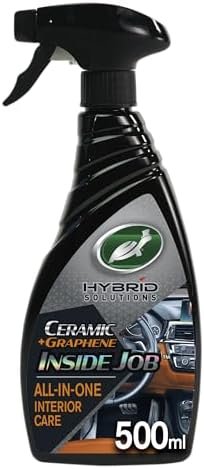
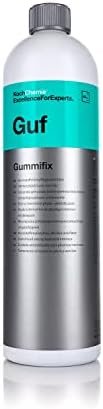
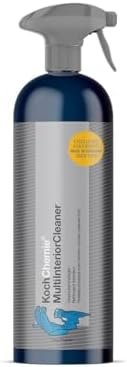
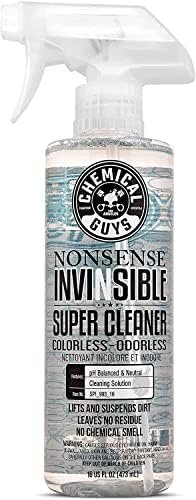
Why Interior Cleaners Maintain Hygiene and Surface Condition
Interior surfaces are touched more than any other part of the car. Steering wheels, gear selectors, door handles—these collect oils, sweat, and grime from constant contact with hands and skin.
Neglected interiors wear faster and feel unpleasant. Dirt buildup makes surfaces look dull and tired, even when the rest of the car is well-maintained. From our experience, light regular cleaning prevents the kind of heavy soiling that’s harder to shift later and stops grime from becoming ground into textured plastics.
Interior cleaners also affect how the car feels to use. Sticky or grimy surfaces are unpleasant to touch, and visible dirt makes the whole cabin feel less comfortable. Proper cleaning maintains hygiene and keeps the interior a nicer place to spend time.
What Interior Cleaners Are (and Aren’t)
Interior cleaners are multi-surface products designed for plastics, trims, door cards, and other hard interior surfaces. They remove fingerprints, dust, and surface contamination without leaving greasy residue or damaging finishes.
These products aren’t suitable for every interior material. They work on hard plastics and vinyl but aren’t designed for leather conditioning or deep fabric extraction. Using the wrong product on the wrong surface leads to streaking, residue, or even damage.
Interior cleaners focus on cleaning, not protecting. If you want to add shine or UV protection afterwards, that’s a separate step. The cleaner’s job is to lift dirt—dressings or protectants come later if needed.
Interior Cleaner Types (Where It Matters)
-
General-Purpose Interior Cleaners
- General-purpose cleaners are safe for most hard interior surfaces. They’re designed to handle everyday dirt without being aggressive enough to strip finishes or leave streaks on plastics.
- This is what most people reach for during regular maintenance. It works on door cards, centre consoles, dashboard trims, and any other hard surface that isn’t leather or fabric. From what we see in user reviews, general-purpose cleaners get praise for being versatile and easy to use without requiring different products for each surface type.
- The limitation is heavy grime. If the interior is seriously neglected or has sticky residue from spills, a general-purpose cleaner might not cut through on its own.
-
Strong / Degreasing Interior Cleaners
- Stronger cleaners are formulated for heavy soiling, grease, or sticky residue. They’re more aggressive than general-purpose options and designed for occasional deep cleaning rather than regular use.
- These work well on areas that get particularly grimy, like lower door trims, footwell panels, or around pedals. The general consensus is that strong cleaners should be used sparingly, they’re effective but can be too harsh for frequent application on delicate plastics.
- Always test degreasing cleaners on a hidden area first. Some finishes react badly to stronger formulations, leading to discolouration or a dulled appearance.
How to Choose the Right Interior Cleaner
- For regular upkeep and light dirt
A mild, general-purpose interior cleaner handles most everyday maintenance. It’s gentle enough for frequent use and works across multiple surface types.
- For heavily soiled or neglected interiors
Start with a stronger cleaner on the worst areas, then switch to a general-purpose product for regular maintenance once the grime is under control.
- For areas with sticky residue or spills
Degreasing cleaners cut through sticky contamination more effectively than mild options. Apply, agitate gently, and wipe clean—don’t let it dry on the surface.
- For textured plastics or matte finishes
Check that the cleaner won’t add unwanted shine or leave residue in textured surfaces. Some products are better suited to smooth plastics than grained or matte finishes.
- If you’re unsure
Start with a mild cleaner and test on a small, low-visibility area. If it doesn’t shift the dirt, you can always move to a stronger product, but you can’t undo damage from using something too aggressive.
Common Interior Cleaning Mistakes to Avoid
- Using household cleaners or kitchen degreasers
This is one of the most common mistakes we see. Products like washing-up liquid or all-purpose sprays aren’t designed for car interiors and can leave streaks, strip finishes, or cause discolouration.
- Over-wetting surfaces
Too much liquid runs into gaps, seams, and electronic controls where it can cause problems. Spray onto a cloth rather than directly onto surfaces, and use just enough to clean without soaking.
- Not testing on hidden areas first
Different plastics react differently to cleaners. What works fine on one car might streak or dull another. Testing avoids surprises on visible surfaces.
- Letting cleaner dry on the surface
Cleaners left to dry can leave residue or streaks. Wipe surfaces immediately after cleaning, and buff with a dry microfibre cloth if needed to remove any remaining film.
- Using the same cloth for every surface
A cloth used on the footwell shouldn’t then be used on the dashboard. Dirty cloths spread grime rather than removing it. Use fresh or clean sections of cloth as you work through the interior.
What to Do After Interior Cleaning
- Wipe surfaces dry to avoid streaking
Even mild cleaners can leave a film if not fully removed. A quick pass with a dry microfibre cloth ensures surfaces look clean rather than hazy.
- Ventilate the cabin
Open doors or windows to let any cleaning product smell dissipate and allow surfaces to fully dry before closing the car.
- Inspect high-contact areas regularly
Steering wheels, gear selectors, and door handles need more frequent attention than other surfaces. Check these spots between full cleans and wipe them down as needed.
Interior cleaners maintain comfort and hygiene—they don’t restore heavily damaged surfaces or replace protective coatings. If plastics are faded or scratched, cleaning won’t fix them, but it will stop further dirt buildup from making things worse.
FAQs
What's the best thing to clean the interior of my car with?
A pH-balanced interior cleaner designed for automotive plastics is your safest bet. It handles everyday dirt on door cards, dashboard trims, centre consoles, and other hard surfaces without leaving streaks or damaging finishes. Apply it to a microfibre cloth rather than spraying directly onto surfaces to avoid getting liquid into gaps or controls. For heavily soiled areas, you might need a stronger degreasing cleaner, but save that for occasional deep cleaning rather than regular maintenance. Starting with a mild cleaner keeps things simple and avoids the risk of stripping finishes or causing discolouration from products that are too aggressive for frequent use.
What not to clean car interior with?
Avoid glass cleaners on plastic surfaces. Most contain ammonia, which can damage interior plastics, cause streaking on textured finishes, and leave a hazy film that’s difficult to remove. They’re designed for glass, not the variety of plastics and vinyls found in car interiors. Household all-purpose cleaners, washing-up liquid, and kitchen degreasers are also problematic. They’re not pH-balanced for automotive materials and often leave residue, cause discolouration, or strip protective coatings. Stick to products specifically formulated for car interiors, they’re designed to clean safely without the risks that come with improvising.
What household items can I use to clean my car?
Diluted white vinegar can handle light surface cleaning in a pinch, though it’s not ideal for regular use. Mix it at least 50/50 with water and apply with a microfibre cloth. The acidity can affect some finishes if used too often or in strong concentrations, and the smell lingers longer than most people expect. That said, household substitutes rarely work as well as proper car interior cleaners and carry more risk of streaking, residue, or damage. A dedicated interior cleaner is inexpensive and formulated to work safely across multiple surface types. It’s worth keeping one in the garage rather than relying on kitchen products that weren’t designed for automotive use.
Can I use Dawn dish soap to clean my car interior?
Dish soap isn’t designed for car interiors and comes with several problems. It’s difficult to rinse properly from plastics, which means residue remains on surfaces even after wiping. That residue attracts dirt and leaves a film that dulls finishes and makes surfaces feel different than they should. Over time, dish soap can also strip protective coatings from plastics and cause discolouration on some materials. If you’re looking for a cleaning solution, a proper interior cleaner is much safer and more effective. The convenience of using dish soap isn’t worth the potential damage or the extra work needed to deal with streaking and residue.
How to make the interior of a car look new?
Start with a thorough clean of all hard surfaces using a proper interior cleaner. Work systematically, section by section, paying attention to vents, seams, and areas around controls where grime builds up. This removes the dirt and oils that make interiors look tired and neglected. After cleaning, vacuum carpets and seats thoroughly, treat any stains on fabric, and clean leather if fitted. The key is addressing all surfaces, not just the obvious ones. Door trims, lower panels, and areas under seats often get missed, but cleaning these makes a noticeable difference to how fresh the whole interior feels. If surfaces still look dull after cleaning, that’s when you’d consider applying a light protectant, but only after everything is spotless.
What do professional car detailers use?
Professional detailers typically use a pH-balanced interior cleaner for regular surfaces, switching to a stronger degreasing cleaner for heavily soiled areas like footwell panels or around pedals. They apply products to cloths rather than spraying directly, which gives better control and prevents overspray on glass or into electronic controls. What sets professional results apart is technique more than products. They work methodically, use clean cloths for each surface type, and buff away any residue immediately. They're also careful about moisture levels, using just enough to clean without soaking surfaces or letting liquid run into gaps. The products themselves aren't particularly exotic, it's the attention to detail and systematic approach that delivers showroom results.
What cleaner is safe for all dashboards?
A mild, pH-balanced interior cleaner designed for automotive plastics is safe across most dashboard types, whether they're textured, smooth, matte, or gloss. These products are formulated to clean without stripping finishes or leaving unwanted shine on surfaces that should stay subtle. Always test on a small, hidden area first, especially if you're using a new product or working on an older car. Different plastics and finishes can react differently, and what works fine on one dashboard might streak or leave residue on another. A quick test on a low-visibility spot avoids surprises on the main dashboard.