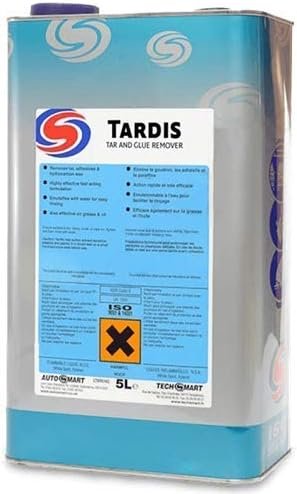
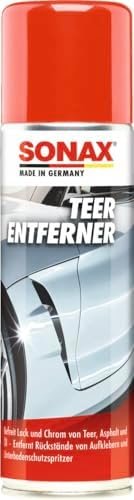
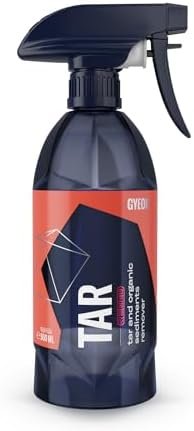
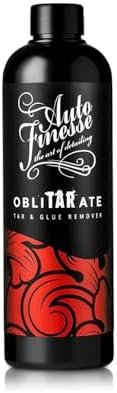
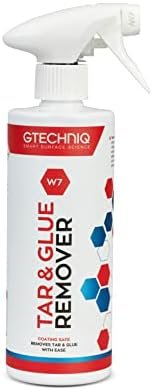
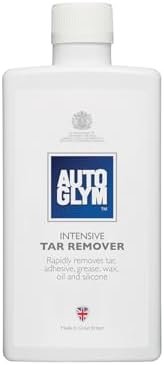
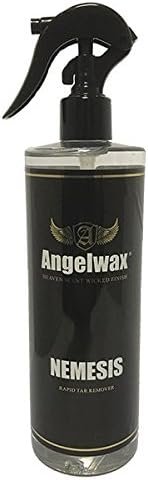
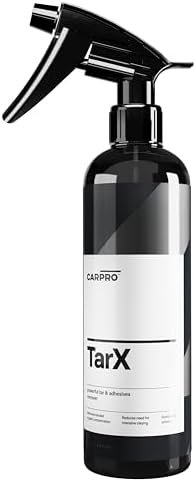
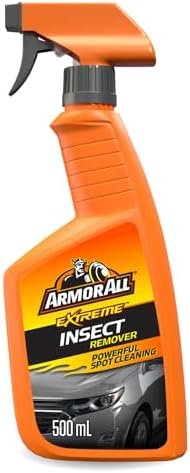
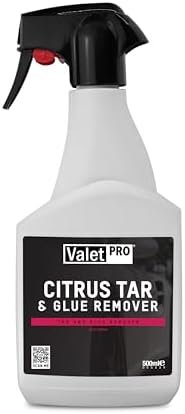
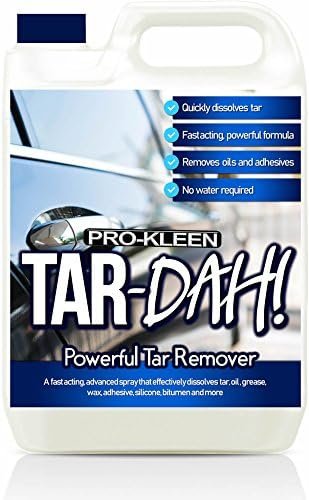
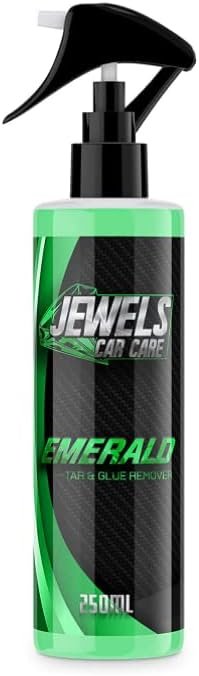
Tar Removers for Safe Paint Cleaning

13 products ready to shop 13 products Last checked Checked:

Top Picks Worth Considering

Click through to check today's price and availability from trusted retailers.

What Tar Removal is and Why it Matters

Tar bonds aggressively to paint and can’t be removed safely with washing alone.

Road tar hardens on the surface over time. Scrubbing tar causes scratches. From our experience, tar damage most often comes from improper removal—not from the tar itself.


What Tar Remover Is (and Isn’t)

Tar removers dissolve sticky petroleum-based contamination without the need for scrubbing.

They don’t remove iron or bonded fallout. They shouldn’t be used as general cleaners—they’re designed specifically for tar, adhesives, and similar sticky residues.


Tar Remover Types

  • Solvent-Based Tar Removers

    • Solvent-based products have strong dissolving power and work quickly. They’re effective on heavy tar spotting but require careful use around plastics and rubbers.
    • What stands out for us is how fast they work—but that also means they need rinsing promptly.
  • Citrus-Based Tar Removers

    • Citrus formulas are milder and take longer to work. They’re gentler on trims and seals, which makes them a safer choice for delicate areas or light tar contamination.
    • Most people find them easier to use without worrying about damage, but you need patience for stubborn spots.

How to Choose the Right Tar Remover

  • For heavy tar
    Solvent-based products used carefully handle thick, stubborn tar more effectively. Just make sure to rinse thoroughly and avoid prolonged contact with plastics.
  • For light spotting
    Citrus options work well for occasional tar removal without the aggression of solvents. They’re slower but less risky.

Common Tar Removal Mistakes

  • Rubbing tar aggressively
    This is one of the most common mistakes we see. Tar needs to be softened and dissolved, not scrubbed off. Scrubbing drags abrasive particles across the paint.
  • Using household solvents
    Products like white spirit or petrol can damage paint, plastics, and seals. Proper tar removers are formulated to dissolve tar safely without harming the finish.
  • Leaving product to dry
    Tar removers work during the dwell time, but if they dry on the surface, they leave sticky residue that’s harder to remove than the original tar.

What to Do After Tar Removal

  • Rinse and re-wash if needed
    After removing tar, rinse the area thoroughly. If any oily residue remains, a quick wash with car shampoo clears it.
  • Reapply protection
    Tar removers can strip wax or sealant from treated areas. Once the surface is clean and dry, reapply protection to those spots.

Tar removal is about patience, not force. The product does the work—you just need to give it time.

FAQs

Yes, WD-40 can dissolve tar because it contains solvents. However, it’s not ideal or formulated specifically for automotive paint. It leaves an oily residue that’s hard to remove and may affect wax or sealant if not cleaned properly afterwards. If you’re using WD-40 to remove tar, spray it on, let it sit for two to three minutes to soften the residue, then wipe clean with a microfibre cloth. Wash the area with car shampoo immediately after to remove the oily film. From our experience, dedicated tar removers work faster, cleaner, and don’t leave the same residue issues.

The safest method is using a dedicated tar remover. These products are designed to dissolve tar safely without affecting paint, rubber seals, or plastic trims. Spray it onto the affected areas, let it sit for two to five minutes to dissolve the tar, then wipe it away gently with a clean microfibre cloth. No scrubbing, no force. If the tar doesn’t lift easily, apply more product and wait longer rather than scrubbing harder. If you try to scrape or rub tar off without softening it first, you’ll drag it across the paint and cause scratches. From our experience, the product does all the work if you give it time. Work in small sections and use a clean part of the cloth for each wipe.

Tar removers are the most effective solution. They use solvents to dissolve the sticky residue safely without affecting paint or trim. Some people use alternatives like white spirit or WD-40, but these aren’t formulated for automotive use and can leave residues or cause issues. From what we see in reviews, dedicated tar removers work faster and cleaner. They’re also safer for repeated use because they’re designed not to strip wax or harm paintwork. Apply it, let it work, and wipe clean. Simple and safe. If you’re dealing with tar regularly, especially on lower panels after motorway driving, a proper tar remover is worth having.

Related Insights and Articles

Explore More Categories

Discover more of our curated buying guides to continue your research.

Why Trust Total Car Clean?

Your independent guide to the best car detailing products in the UK.

Expertly Curated Choices

We research and review hundreds of car cleaning products from trusted UK retailers and highlight the best-rated options across every category and price range.

Up-to-Date Product Listings & Reviews

Our product listings are regularly updated with the latest prices, availability, and customer reviews from Amazon UK to ensure you get accurate information.

Independent & Transparent

Total Car Clean is 100% reader-supported. We may earn a small commission from affiliate links, but we remain unbiased to help you find the best products.