How Pressure Washers Reduce Contact Risk
Touching paint is where damage happens. Every pass with a mitt or cloth carries some risk of dragging grit across the surface. Pressure washers reduce contact by removing loose dirt, pre-wash foam, and contamination before you physically touch anything.
Controlled pressure removes dirt safely. Too little and it’s ineffective. Too much and you risk forcing water into seals, damaging trim, or pushing grit into the paint. From our experience, flow rate matters more than raw pressure, higher water volume shifts dirt more effectively without needing aggressive PSI.
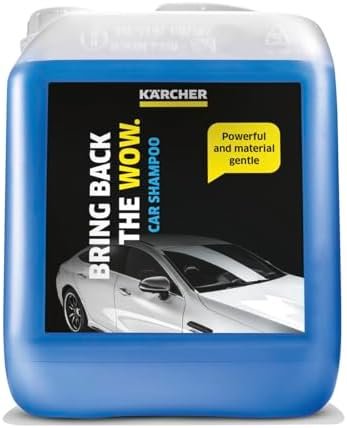
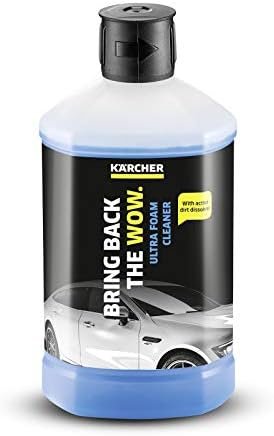
Pressure washers also make pre-washing practical. Applying snow foam or pre-wash products and then rinsing them off properly is far easier with a washer than a garden hose. That extra step significantly reduces the risk of marring during the main wash.
What Pressure Washers Are (and Aren’t)
Pressure washers assist washing by removing loose contamination and rinsing products away efficiently. They don’t clean cars by themselves—they prepare surfaces for safe contact washing and remove products afterwards.
The pressure setting controls how aggressively water hits the surface. Too much pressure damages soft paint, strips wax, loosens trim, and forces water into places it shouldn’t go. Pressure washers require technique and restraint, not just maximum power.
They also don’t replace proper washing. Even with a pressure washer, you still need to use a mitt, shampoo, and the two-bucket method. The washer handles rinsing and pre-wash; you handle the actual cleaning.
Pressure Washer Types (Where It Matters)
-
Electric Pressure Washers
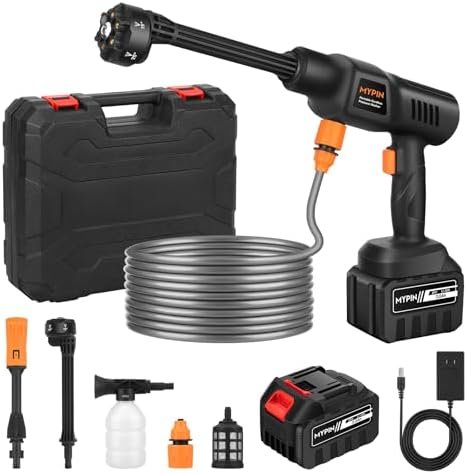
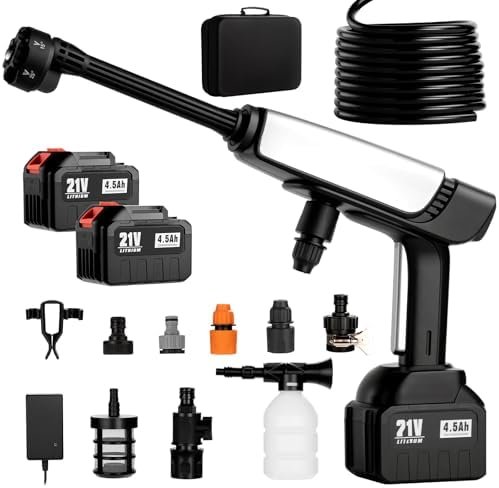
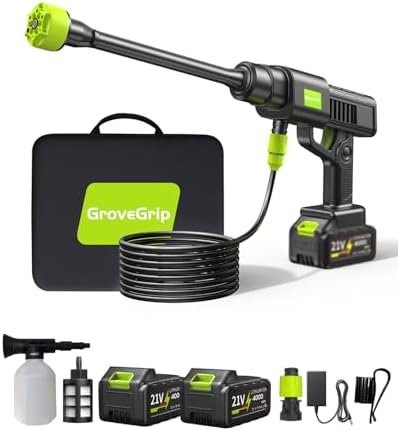
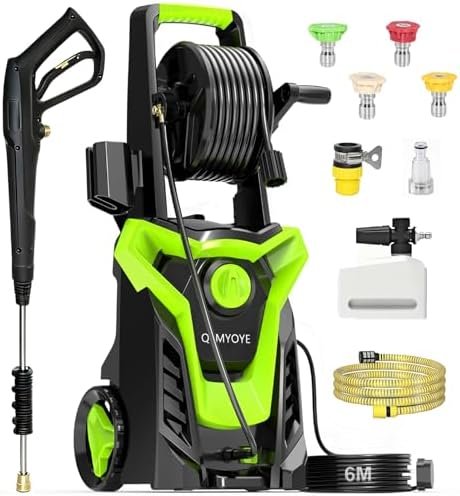
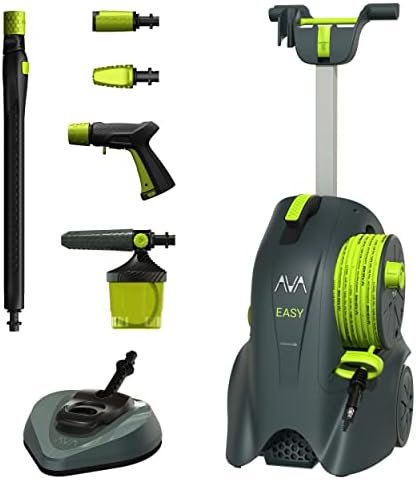
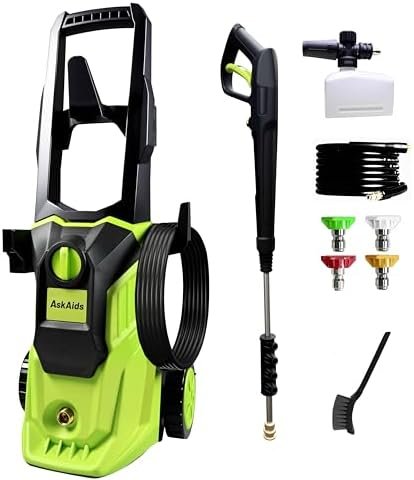
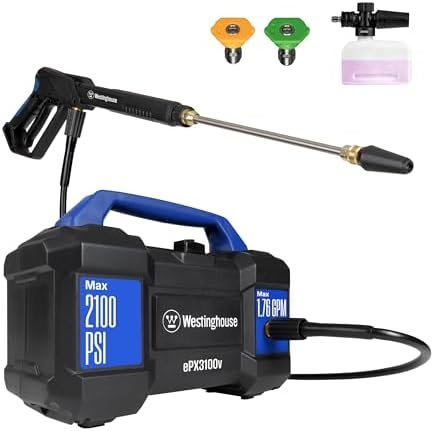
- Electric pressure washers are built for home use. They’re quieter, lighter, and easier to store than petrol models. Output sits in the range most people need for car washing, enough pressure to rinse effectively without risking damage.
- Moderate PSI and flow rate make them suitable for paintwork, wheels, and general rinsing. We’ve found these handle regular washing without the bulk or noise of commercial-grade equipment.
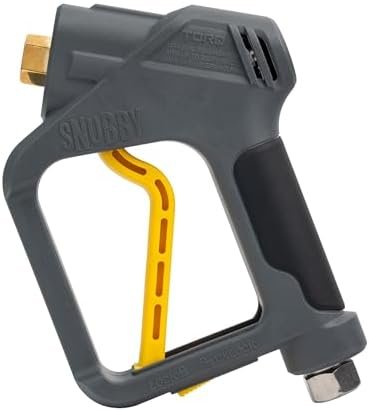
- Attachments like foam cannons, surface cleaners, and adjustable nozzles extend their usefulness. A lot of users mention that electric models suit driveways and small spaces, the general consensus is that they’re powerful enough for cars but not so aggressive that you need to worry constantly about causing damage.
-
Petrol Pressure Washers
- Petrol washers produce higher pressure and flow rates. They’re designed for heavy-duty work, cleaning driveways, patios, commercial vehicles, and large areas where power matters.
- The increased output makes them more effective on stubborn contamination, but it also increases risk. High PSI near soft paint, trim, or delicate areas causes damage quickly.
- These washers suit professional detailers, people with multiple vehicles, or those who need the same machine for car and property maintenance. We regularly see people buy petrol washers for cars and then struggle with controlling them.
How to Choose the Right Pressure Washer
- For regular car washing at home
An electric pressure washer with moderate PSI (around 1500–2000) and good flow rate handles most jobs safely. Look for adjustable pressure and compatibility with foam cannons.
- For occasional use or compact storage
Entry-level electric models work fine. They’re cheaper, lighter, and easier to store. If you’re only washing one car occasionally, you don’t need maximum power.
- For multiple vehicles or mixed home/car use
A mid-range electric or entry-level petrol washer provides the output and durability for regular, varied use. Make sure it has adjustable settings.
- For professional or heavy-duty work
Petrol washers suit commercial environments where power, portability, and long run times matter. Treat them with care around painted surfaces.
Flow rate is as important as pressure. A washer with lower PSI but higher flow often performs better for rinsing than one with high pressure and low flow. Check both specs, not just the headline PSI number.
Common Pressure Washer Mistakes to Avoid
- Using maximum pressure on paintwork
High PSI damages soft paint, strips protection, and forces water into seals. Use lower settings and adjust the nozzle for a wider spray pattern.
- Getting too close to the surface
Keep a sensible distance—usually 30–50 cm depending on pressure. Getting closer increases force and risk. Let the water do the work from a safe distance.
- Blasting delicate areas
Badges, aerials, grilles, and trim don’t need full pressure. Reduce output or switch to a gentler nozzle when working around these areas.
- Not checking hose and connections
Leaking hoses reduce pressure and waste water. Check fittings and replace worn components before they cause problems mid-wash.
What to Do After Pressure Washing
- Move to contact washing
Once you’ve rinsed off pre-wash or loosened dirt, the pressure washer has done its job. The actual cleaning happens with shampoo, mitts, and proper technique.
- Rinse properly after washing
Use the pressure washer for a final rinse to remove all shampoo and residue. Leftover product causes streaks and water spots.
- Store correctly
Drain hoses, disconnect attachments, and store the washer in a dry place. Regular maintenance keeps it working reliably.
Pressure washers reduce contact—misuse increases risk. Use controlled pressure, maintain safe distances, and don’t expect the washer to clean by itself. The machine handles rinsing; you handle the care.
FAQs
How many PSI do I need to wash a car?
Between 1200 and 2000 PSI is the safe range for car washing. This provides enough pressure to rinse effectively without risking damage to paint, trim, or seals. Most electric pressure washers designed for home use sit in this range, which makes them suitable for regular car washing. From our experience, 1500 PSI with good flow rate handles most situations without needing to worry constantly about causing damage. Higher PSI isn’t better for cars. Above 2500 PSI, you’re increasing risk without gaining meaningful cleaning benefits. The pressure can strip wax, damage soft paint, force water into seals, and loosen trim. If you already own a higher-powered washer, use lower pressure settings and wider spray patterns, and keep more distance from the surface. The general consensus is that controlled moderate pressure is safer and more effective than maximum power.
Is 2000 PSI too much for car paint?
No, 2000 PSI is fine if used correctly. Keep a sensible distance, around 30 to 50 cm from the surface, and use a wider spray pattern rather than a concentrated jet. Avoid getting too close to delicate areas like badges, aerials, and trim. From our experience, most damage from pressure washers comes from user error, getting too close or using maximum pressure on sensitive areas, rather than the PSI itself being excessive. The spray nozzle matters as much as the pressure. A 25-degree or 40-degree nozzle spreads the pressure over a wider area, making it safer for paintwork. A 0-degree nozzle concentrates all the pressure into a tight jet, which can damage paint even at lower PSI. We regularly see people use the wrong nozzle and then blame the pressure washer when they strip wax or mark the paint. Match the nozzle to the task, not just the headline PSI number.
Can a pressure washer take paint off a car?
Yes, if misused. Getting too close with a narrow spray pattern or using excessive pressure on vulnerable areas like stone chips, panel edges, and peeling clearcoat will strip paint. Pressure washers don’t damage sound paintwork when used properly, but they exploit existing weaknesses. From our experience, most paint damage from pressure washers happens on cars that already had compromised paint, the washer just made the problem visible. If the paint is in good condition and you’re using appropriate pressure settings with correct distance and nozzle choice, you won’t cause damage. The risk comes from concentrated pressure on small areas, especially around trim, badges, and panel gaps. Keep the nozzle moving, don’t focus on one spot, and reduce pressure when working near delicate areas. The general consensus is that pressure washers are safe tools that require technique and restraint, not maximum power.
How to properly wash a car with a pressure washer?
Start by rinsing the car with plain water to remove loose dirt and dust. Apply pre-wash foam if you’re using it, let it dwell, then rinse thoroughly. Move to a contact wash using the two-bucket method with car shampoo and a wash mitt, working panel by panel. Rinse the shampoo off with the pressure washer, making sure all product is removed. From our experience, people often skip the contact wash stage and wonder why the car’s not properly clean, the pressure washer assists washing, it doesn’t replace it. Keep a consistent distance from the surface, usually 30 to 50 cm depending on pressure. Use sweeping motions rather than holding the spray in one place. Work from top to bottom so dirty water doesn’t run over clean panels. Pay attention to door shuts, petrol caps, and seams where dirt collects but isn’t immediately visible. The whole process should feel controlled and methodical, not rushed or aggressive.
What to avoid when pressure washing a car?
Never use maximum pressure on paintwork, and avoid getting the nozzle too close to the surface. Don’t blast delicate areas like badges, grilles, aerials, and window seals with full pressure. These can break, loosen, or allow water ingress into places it shouldn’t go. From our experience, most pressure washer damage happens around trim and panel gaps, not on open body panels where people tend to be more careful. Don’t pressure wash the engine bay unless you know what you’re doing. Water forced into electrical components, sensors, and exposed wiring causes expensive problems. If you must rinse the engine bay, cover sensitive areas with plastic bags and use very low pressure from a safe distance. We regularly see people confidently pressure wash engines and then face starting issues or warning lights because water got where it shouldn’t have gone.
Is it better to hand wash or pressure wash a car?
Pressure washers assist hand washing by making rinsing more effective and enabling foam application, but they don't replace the contact wash stage. You still need to use a mitt, shampoo, and proper technique to actually clean the paint. The best approach combines both, use the pressure washer for rinsing and pre-wash, then hand wash with shampoo and mitts for the actual cleaning. From our experience, this combination is safer and more effective than either method alone. Hand washing without a pressure washer works, but it takes longer and makes proper pre-washing harder. Garden hose pressure isn't enough to rinse foam effectively or remove loosened dirt thoroughly. Pressure washing without hand washing leaves the car partially clean at best, surface contamination that hasn't been agitated remains bonded to the paint. Think of pressure washers as tools that make hand washing safer and easier, not replacements for it.
Which Kärcher is best for cars?
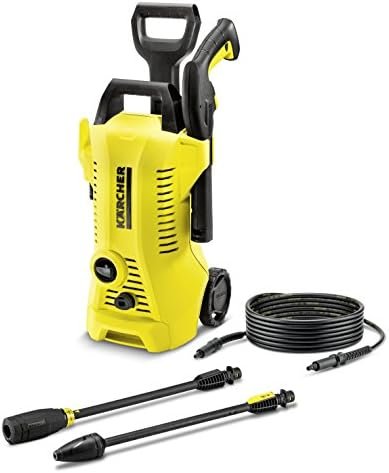
Kärcher's K2 and K4 models sit in the sweet spot for car washing. They provide enough pressure and flow rate to rinse effectively without being overpowered for paintwork. The K2 suits occasional washing and single-car households, while the K4 handles more frequent use and multiple vehicles. From our experience, the K4's better build quality and higher flow rate justify the extra cost if you wash regularly. Look for models that include or support foam cannon attachments. Some Kärcher units come with trigger guns and nozzles designed for car washing, which saves buying accessories separately. Avoid the entry-level K1 for regular car washing, it lacks the flow rate needed for efficient rinsing. The K5 and above are more powerful than most people need for cars and cost significantly more without providing meaningful benefits for automotive use.