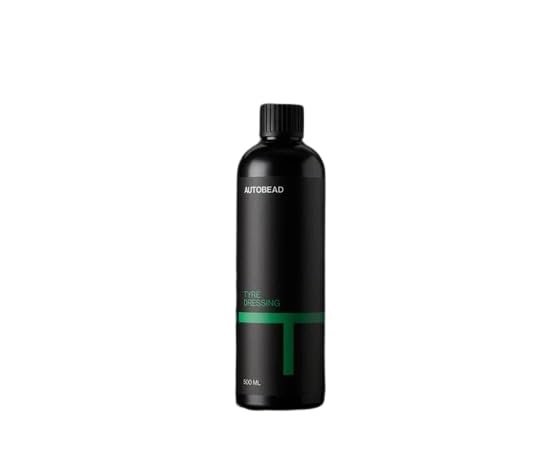
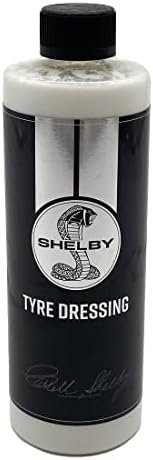
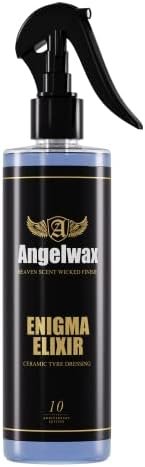
How Tyre Dressings Protect Rubber and Enhance Appearance
Tyres frame the car visually whilst protecting rubber from drying and cracking. UV exposure, road salt, and weather degrade tyre rubber over time. Dressings restore appearance and add a protective layer that slows this damage.
From our experience, overdressing causes more problems than underdressing. Too much product flings onto bodywork, attracts dirt, and leaves streaks.
What Tyre Dressings Are (and Aren’t)
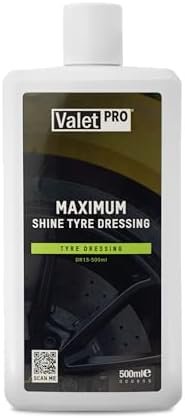
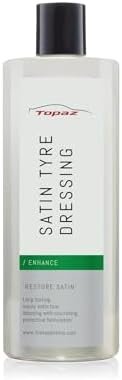
Tyre dressings enhance and protect rubber surfaces. They restore colour, add shine or a satin finish, and create a barrier against UV and contaminants.
They don’t repair cracked or damaged tyres. If the rubber is already perished, dressing just makes it look slightly better temporarily.
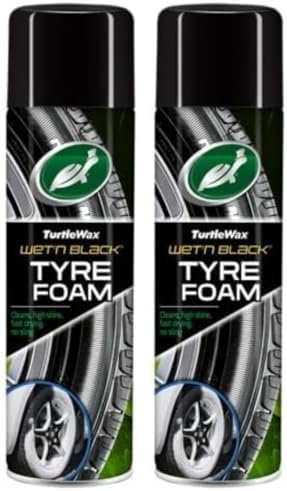
Water-based dressings give a natural look, solvent-based ones deliver high gloss.
Tyre Dressing Types (Where It Matters)
-
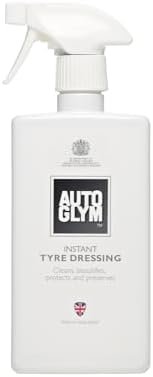
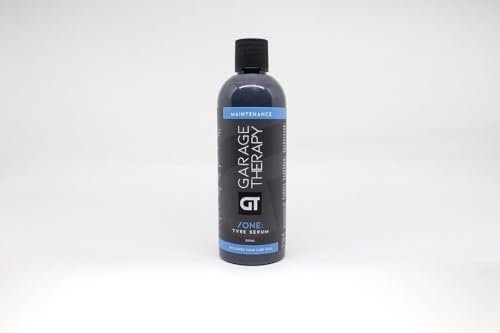
Water-Based Dressings
- Water-based dressings give a natural or satin finish. They soak into the rubber rather than sitting on the surface, which reduces sling and gives a more subtle result.
- We’ve found these are the best option for daily drivers. They’re less likely to fling onto paintwork, easier to control, and don’t attract as much dust or dirt after application.
- The general consensus is that water-based dressings last shorter but look more natural. A lot of users mention they prefer the finish but need to reapply more often.
-
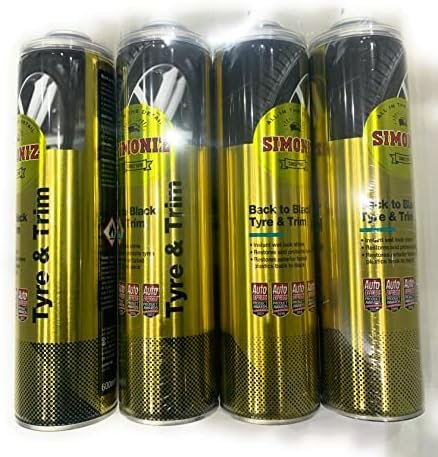
Solvent-Based Dressings
- Solvent-based dressings deliver high gloss. They sit on the surface and reflect light more intensely, which gives that wet, freshly detailed look.
- The downside is sling. If you apply too much or drive immediately, the product flings onto the bodywork and wheel arches. We regularly see complaints about streaks and mess from overuse.
- Solvent-based options also attract more dust. The glossy surface grabs dirt quickly, so tyres look good immediately after application but degrade faster.
How to Choose the Right Tyre Dressing
- For daily drivers
Use a water-based dressing. It’s easier to control, lower sling risk, and gives a natural finish that suits everyday use.
- For high gloss
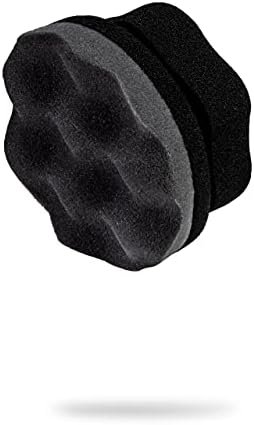
A solvent-based dressing works, but apply sparingly. Use an applicator pad, work the product into the rubber, then wipe off any excess.
- For low-maintenance protection
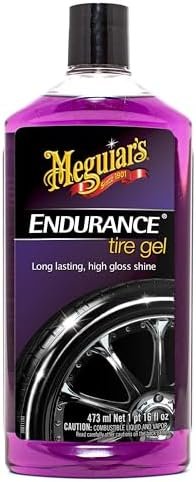
Water-based options need reapplication more often, but they’re safer and less fussy. If you want something that lasts longer, look for gel-based dressings.
- For show cars or photos
Solvent-based dressings deliver the most dramatic finish. Just make sure you don’t drive immediately after application.
Common Tyre Dressing Mistakes
- Applying to dirty tyres
Dressing over dirt just locks contamination in place. Clean tyres properly first, let them dry, then apply dressing.
- Using too much product
More dressing doesn’t mean better protection or longer life. It just causes sling and attracts dirt. We see this mistake constantly in reviews.
- Driving immediately after application
Dressing needs time to cure. If you drive straight away, centrifugal force flings it onto bodywork and wheel arches.
- Getting dressing on the tread
Tyre dressing on the tread is dangerous. It reduces grip and makes the tyre slippery, especially in wet conditions. Apply only to the sidewall.
What to Do After Dressing Tyres
- Allow curing time
Give the dressing at least 15–20 minutes to soak in before driving. This reduces sling and improves durability.
- Wipe excess if needed
If you’ve applied too much or the tyre looks overly wet, wipe off the excess with a clean microfibre cloth. Better to remove it now than clean bodywork later.
- Avoid washing immediately
If you wash the car within a day or two, you’ll strip the dressing off. Let it cure fully for best results.
FAQs
Is tyre dressing good for tyres?
Yes, tyre dressing is good for tyres when used properly. It protects rubber from UV damage, prevents drying and cracking, and restores colour that fades over time. The protective barrier slows degradation caused by road salt, weather, and general exposure. The problem comes from overuse. Too much dressing flings onto bodywork, attracts dirt, and creates a sticky mess. From our experience, a thin, even coat is far more effective than drowning the tyre in product. Applied correctly, dressing extends tyre life and keeps them looking fresh without causing issues.
How long does tyre dressing last?
Water-based dressings typically last one to two weeks before they need reapplication. Solvent-based dressings last slightly longer, around two to three weeks, but they attract more dust which makes tyres look dirty faster. Gel-based formulas tend to be the most durable, lasting up to a month. Durability depends on driving conditions and weather. If you’re driving in heavy rain or through puddles, the dressing washes off quicker. From our experience, people who want low-maintenance protection should look for gel-based or long-lasting water-based options rather than high-gloss solvent formulas that need frequent reapplication.
What's the difference between tyre dressing and tyre shine?
Tyre dressing and tyre shine are essentially the same thing, the terms are used interchangeably. Both products enhance appearance and provide protection. The word “shine” usually refers to high-gloss finishes, whilst “dressing” is more general and can include satin or natural finishes. We’ve found that products labelled as “shine” are often solvent-based and deliver that wet, glossy look. Products called “dressing” tend to be water-based with a more subtle finish, though this isn’t a hard rule. What matters more is the formulation, water-based or solvent-based, rather than what it’s called on the bottle.
Is tyre dressing worth the money?
Yes, if you want to protect rubber and maintain appearance. Tyre dressing costs a few pounds and lasts months, which makes it one of the cheaper maintenance products. The protection it provides against UV damage and cracking can extend tyre life, which offsets the cost. That said, it’s not essential. If you’re on a tight budget or your tyres are already in poor condition, dressing won’t fix structural issues. From our experience, it’s worth the money for people who care about how their car looks and want to prevent premature rubber degradation. If you don’t care about appearance, skip it.
Does WD-40 work as tyre shine?
WD-40 can be used as a makeshift tyre shine, but it’s not designed for this purpose. It gives a temporary gloss but doesn’t protect rubber like proper tyre dressing does. It also flings easily when you drive and attracts dust quickly, which means tyres look dirty again within days. We wouldn’t recommend using WD-40 regularly. A proper water-based dressing costs about the same, lasts longer, and provides actual UV protection. If you’re in a pinch and need a quick shine for photos, WD-40 works, but it’s not a long-term solution. The general consensus is that dedicated tyre products perform better and cause fewer problems.
Why not use tyre sealant?
Tyre sealant is a different product entirely. It's designed to seal punctures temporarily, not enhance appearance or protect rubber. Some people confuse tyre sealant with tyre dressing or coating, but they serve completely different purposes. If you mean why not use a tyre coating instead of dressing, coatings last longer but cost more and require more careful application. Most people find dressing easier to use and cheaper, even if it needs reapplication every few weeks. From our experience, coatings make sense for enthusiasts who want maximum durability, but dressing is more practical for regular maintenance.
Is it good to put tyre shine on tyres?
Yes, as long as you apply it correctly. Tyre shine protects rubber from UV damage and prevents cracking, which is particularly important if your car sits outside. It also restores the black colour that fades over time due to exposure. The key is not overdoing it. Too much product flings onto bodywork and wheel arches when you drive. We regularly see complaints from people who've used too much and ended up with streaks everywhere. A thin, even coat on clean, dry tyres is all you need. Let it cure for 15 to 20 minutes before driving to reduce sling.
Does tyre dressing damage tyres?
No, tyre dressing doesn't damage tyres when used as directed. Quality dressings are formulated specifically for rubber and won't cause degradation or cracking. The main risk is getting product on the tread, which reduces grip and makes the tyre slippery, especially in wet conditions. Some older solvent-based products contained petroleum distillates that could dry out rubber over time, but modern formulas have moved away from this. From our experience, water-based dressings are the safest option if you're concerned about long-term effects. Just apply to the sidewall only and avoid the tread completely.