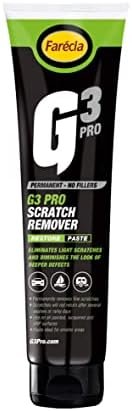
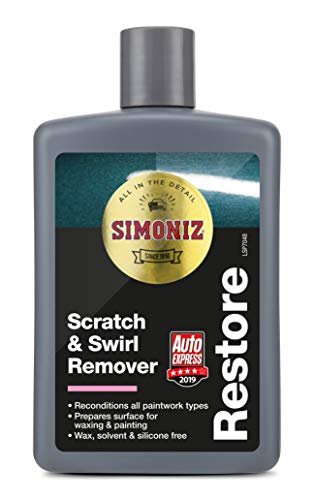
How to Reduce Visible Marks with Scratch Fix Products
Not all scratches require full paint correction. Many marks that catch your eye are superficial and sit in the very top layer of clear coat.
Expectations matter more than the product itself. Scratch fix products exist for the gap between washing and machine polishing , when the defect is minor but visible enough to bother you.
These aren’t magic erasers, and understanding what they can and can’t do prevents disappointment.
What Scratch Fix Products Are (and Aren’t)
Scratch fix products are cosmetic improvement tools. They reduce the visibility of light surface marks , they don’t repair the paint structure.
Some work by filling scratches temporarily. Others use light abrasives to level the surrounding clear coat slightly. Both approaches have their place, but the results are different.
They won’t fix deep scratches that go through the clear coat into the base colour. If you can see primer or metal, these marks need touch-up paint or professional repair.
Scratch Fix Types (Where It Matters)
-
Fillers
- Fillers are polymer-based products that sit in the scratch and make it less visible. They work quickly and don’t require much effort.
- The downside is that they wash off over time. Rain, shampoo, and wax applications gradually remove the filler, and the scratch reappears. What stands out from reviews is how temporary these results are.
- They’re useful for making a car look better before a sale or event, but they’re not a permanent solution.
-
Light Abrasive Products
- Light abrasives work by gently levelling the clear coat around the scratch. This reduces the depth difference between the defect and the surrounding paint, which makes it catch the light less noticeably.
- The results are permanent , you’re physically changing the surface rather than masking it. The trade-off is that you’re removing clear coat, so this approach should be used sparingly and only when needed.
- For very shallow scratches, this method works well. For anything deeper, the improvement will be marginal at best.
How to Choose the Right Option
- For very light marks
Fillers are the simplest option. They’re quick, low-risk, and good enough if you just need the scratch to be less obvious temporarily.
- For shallow scratches you want to reduce permanently
Light abrasive products are the better choice. They take more effort but offer a more lasting improvement.
- For deep scratches
Neither option will give satisfactory results. These need professional repair or machine polishing if the damage is still within the clear coat.
If you’re unsure how deep the scratch is, start with a filler. If it doesn’t work well, that tells you the defect is deeper than surface level.
Common Scratch Fix Mistakes to Avoid
- Expecting permanent repairs from fillers
Fillers are temporary by design. They’ll wash off within weeks, sometimes sooner if you’re washing regularly. This isn’t a product failure , it’s how they work.
- Overusing abrasive products
Light abrasives still remove clear coat. Using them too often or too aggressively on the same area thins the protective layer over time.
- Trying to fix scratches that are too deep
If the scratch has gone through the clear coat, no amount of scratch fix product will make it disappear. This is where a lot of frustration comes from , simply because expectations don’t match what the product is designed to do.
What to Do After Using Scratch Fix Products
- Protect the area
Whether you’ve used a filler or an abrasive, applying wax or sealant over the treated area helps protect it and blends the repair into the surrounding paint.
- Manage expectations on repeat use
Fillers will need reapplying as they wear off. Abrasive products should be used sparingly , the clear coat is finite, and repeated correction in the same spot increases the risk of going too far.
Scratch fix products manage expectations, not miracles. They improve what’s there, but they won’t restore paint to perfect.