How Drying Aids and Wet Coatings Speed Up the Final Stage
Drying is one of the easiest stages to rush, and that is exactly when light marring and streaking tend to happen.
Drying aids and wet coatings help reduce friction between the towel and the paint whilst adding a quick layer of gloss, slickness, and short-term protection. From our experience, they make the biggest difference on larger vehicles, protected cars, and any wash where you want the finish to look better with less effort.
What Drying Aids and Wet Coatings Are (and Aren’t)
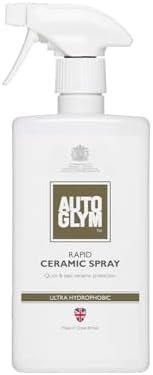
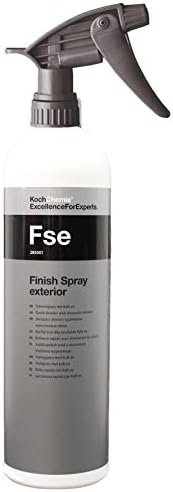
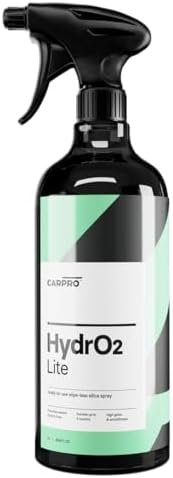
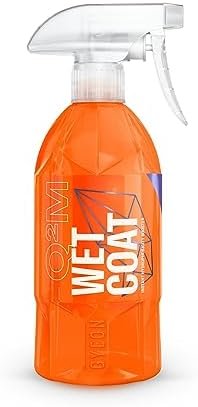
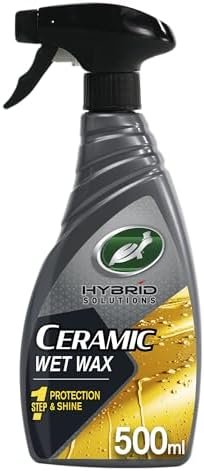
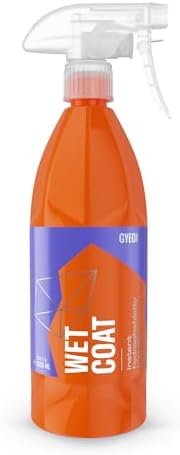
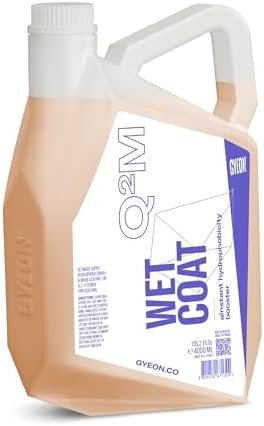
Drying aids are products used during or immediately after the rinse stage to make towel drying smoother and easier. Wet coatings are rinse-on or spray-on products applied to wet paint to add quick hydrophobic protection and improve water behaviour.
They aren’t a replacement for proper washing, and they don’t fix poor drying technique. They work best when the car is already clean and you’re using a suitable drying towel. Think of them as making the final stage easier and safer rather than doing the whole job for you.
Drying Aid and Wet Coating Types
-
Spray-On Drying Aids
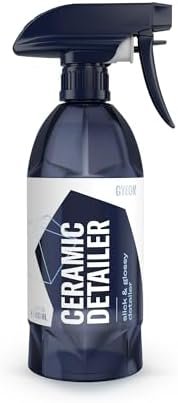
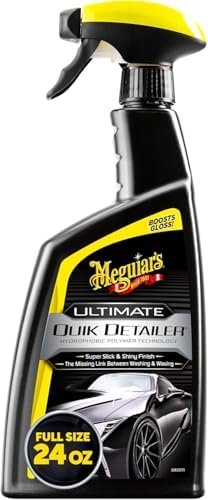
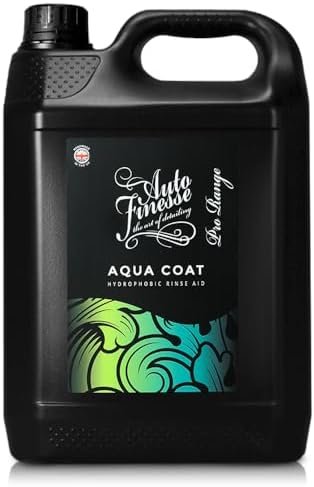
- These are applied panel by panel as you dry. They add lubrication and usually leave a slick, glossy finish that makes the towel glide more easily.
- They’re a great option if you want more control during drying and like to work carefully around different panels.
-
Rinse-On Wet Coatings
- Wet coatings are usually sprayed onto wet paint and then rinsed off, leaving behind fast, noticeable hydrophobic behaviour.
- They suit people who want speed and visual results without a longer application process. The trade-off is that application control matters, especially if the product is strong or concentrated.
How to Choose the Right Drying Aid or Wet Coating
- For easier towel drying
Choose a spray drying aid with strong lubrication. This is the best fit if reducing towel drag and improving finishing feel is your main goal.
- For quick protection after every wash
A rinse-on wet coating makes sense if you want speed and stronger water behaviour with minimal time added to the wash.
- For gloss and slickness
Some drying aids lean more towards finish enhancement, leaving the paint looking glossier and feeling smoother immediately after use.
- For simple maintenance routines
If you wash often, a product that is easy to apply consistently is usually better than the most intense formula on paper. Consistency matters more than chasing extremes.
Common Drying Aid and Wet Coating Mistakes
- Using too much product
Over-application often leads to smearing or patchiness, especially in warmer conditions. Most of these products work better when used lightly and evenly.
- Applying to dirty paint
They are not designed to mask poor washing. If contamination is still on the surface, the extra slickness can make you feel safer than you really are whilst drying.
- Letting the product sit too long
Some wet coatings need to be rinsed promptly. Leaving them too long can cause uneven behaviour or residue that takes extra effort to remove.
- Expecting long-term protection from every product
Some products are mainly drying aids with a little protection benefit. Others are true wet coatings with more noticeable durability. It helps to choose based on what you actually want from the step.
What to Do Alongside Better Drying Products
- Use a proper drying towel
Even the best drying aid performs poorly with a low-quality or overloaded towel. A good towel still matters hugely at this stage.
- Work panel by panel
This gives you more even results and reduces the chance of streaking, especially with spray-based products.
- Keep protection expectations realistic
Drying aids and wet coatings are excellent maintenance tools, but they usually work best as part of a broader wash-and-protect routine rather than as your only protection plan.
Drying aids and wet coatings make the final stage faster, slicker, and lower risk. Used properly, they are one of the easiest upgrades you can make to a regular wash routine.