How Glass Sealant Improves Wet-Weather Visibility
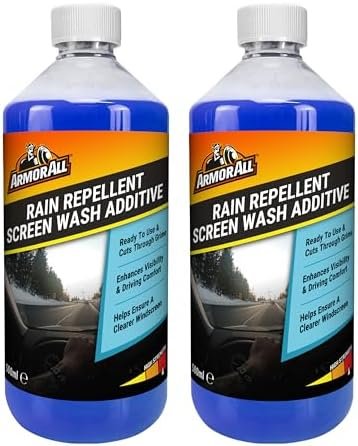
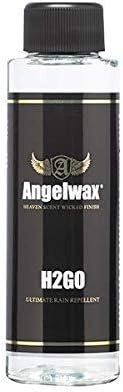
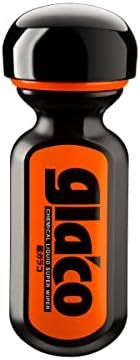
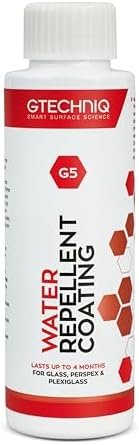
Water beading and sheeting on glass makes a noticeable difference when driving in rain. Sealants add a temporary hydrophobic layer that causes water to form beads and roll off at speed, reducing the need for constant wiper use.
The main benefit we see is improved visibility in light to moderate rain, especially on motorways where airflow helps clear the water. In heavy rain or stationary traffic, you’ll still need wipers, but the glass stays clearer for longer between wipes.
From our experience, sealants sit between glass cleaners and ceramic coatings in terms of durability. They’re easier to apply than coatings and last longer than waxes, which makes them a practical middle ground for most people.
What Glass Sealant Is (and Isn’t)
Glass sealant is a chemical treatment that bonds to the glass surface to create water repellency. It works by lowering the surface energy, which causes water to bead up and sheet off rather than spreading out.
It’s not a permanent solution. Sealants wear away over time, especially on the windscreen where wipers constantly abrade the surface. Reapplication every few weeks or months is normal depending on the product and driving conditions.
Sealants also aren’t maintenance-free. Dirt, road film, and wiper use all reduce effectiveness. You’ll still need to clean the glass regularly, and the protection will need topping up.
What we’ve found is that sealants work best for people who want noticeable water repellency without the commitment or cost of a ceramic coating. They’re flexible, easy to reapply, and don’t require specialist knowledge.
Glass Sealant Types (Where It Matters)
-
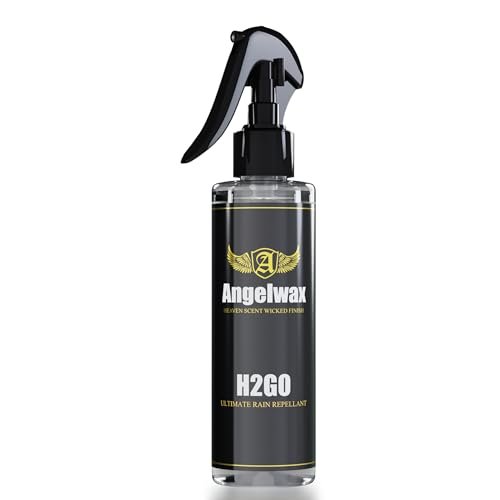
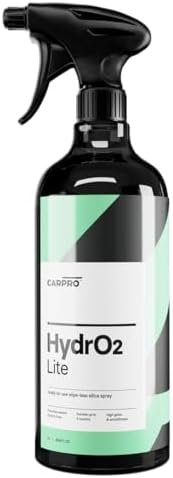
Spray Sealants
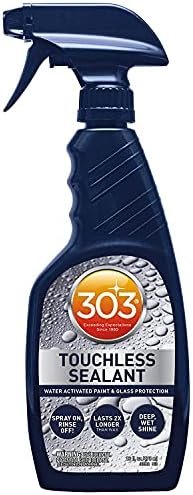
- Spray-on sealants are the most common format. You spray the product onto clean glass, spread it with a cloth, and buff off any residue.
- They’re quick to apply and easy to reapply when protection starts to fade. We regularly see people use these for regular maintenance, topping up protection every few weeks.
- The durability varies by product, but most spray sealants last a few weeks to a couple of months on windscreens. Side and rear glass, which don’t see wiper use, tend to hold protection longer.
-
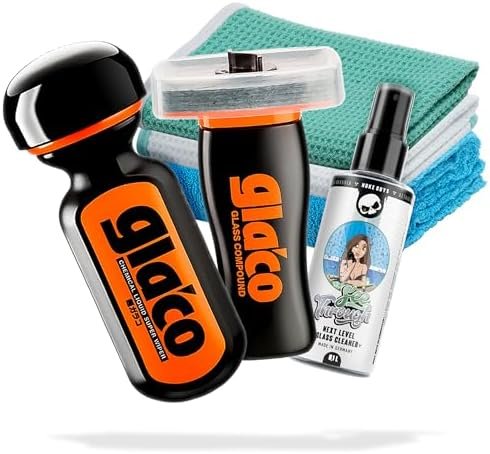
Wipe-On Sealants
- Wipe-on products are applied with an applicator pad or cloth. You spread the sealant across the glass, let it haze slightly, then buff to clarity.
- These tend to offer slightly better durability than sprays because the application process bonds the product more thoroughly to the surface. From our experience, they can last a bit longer, but the application takes more effort.
- What stands out for us is the control you get with wipe-on application. There’s less risk of overspray onto trim or paintwork, and you can work the product into the glass more evenly.
-
Polymer-Based Sealants
- Polymer sealants use synthetic chemistry to create a durable hydrophobic layer. They’re stronger than basic spray treatments and can last several months in some cases.
- These products sit closer to ceramic coatings in performance but are easier to apply and remove if needed. We’ve found they’re a good option if you want longer protection without committing to a full coating.
- The general consensus is that polymer sealants offer the best balance of durability and ease of use, though they do cost more than basic spray products.
-
Silicone-Based Sealants
- Silicone-based formulas are common in older or budget-friendly sealants. They provide decent water repellency but don’t last as long as polymer products.
- The main complaint we see is that silicone products can leave a slight haze or attract more dirt over time. They work for short-term protection, but frequent reapplication is expected.
- What we tend to see is people moving away from silicone-based options once they’ve tried polymer or ceramic-based alternatives, simply because the durability difference becomes obvious.
How to Choose the Right Glass Sealant
- For regular reapplication
Spray sealants are the easiest option. They’re quick to apply and work well if you’re happy to top up protection every few weeks.
- For longer-lasting protection
Polymer-based sealants offer better durability. They cost more upfront but need reapplying less often, which can save time and money over the year.
- For side and rear glass
Any sealant works well here because there’s no wiper abrasion. Even basic spray products last months on side windows.
- For windscreens with heavy wiper use
Expect any sealant to wear faster here. Polymer or wipe-on products may hold up slightly better, but regular reapplication is still needed.
- For beginners
Start with a spray sealant. They’re forgiving, easy to use, and let you learn how the product behaves without much risk of application errors.
Common Glass Sealant Mistakes to Avoid
- Applying sealant to dirty glass
Sealants bond to whatever’s on the surface. If the glass has grime, grease, or old product residue, the new sealant won’t bond properly. Always clean thoroughly first.
- Expecting permanent results
No sealant lasts forever, especially on windscreens. Wipers, washing, and weather all degrade protection. Plan to reapply regularly.
- Using too much product
A thin, even layer is all you need. Excess product just creates streaks and haze that you’ll have to buff off. Less is more with sealants.
- Applying in direct sunlight or heat
Hot glass causes the product to dry too quickly, making it difficult to spread evenly and buff to clarity. Work in shade or on cool glass.
- Not buffing properly
Leaving haze or streaks reduces visibility and makes the sealant less effective. Buff until the glass is completely clear.
- Mixing different sealant types
Layering different products can cause compatibility issues, streaking, or reduced performance. Stick with one product or fully remove the old sealant before switching.
“Proper preparation is the difference between sealant lasting weeks or just days. Before applying any sealant, follow our glass preparation guide to ensure the surface is genuinely clean and ready to bond.”
What to Do After Applying Glass Sealant
- Test the water beading
Spray water onto the glass to check that beads form and roll off cleanly. If water sheets or sticks, the sealant may need another application or more buffing.
- Avoid washing for 24 hours
Most sealants need time to cure fully. Washing too soon can reduce bonding and shorten durability. Check the product instructions for specific curing times.
- Monitor durability over time
Pay attention to when water stops beading as effectively. This tells you when reapplication is needed and helps you understand how long the product lasts in your conditions.
- Keep the glass clean between applications
Dirt and contamination reduce sealant effectiveness. Regular cleaning with a compatible glass cleaner helps maintain water repellency between reapplications.
Sealants offer a practical balance between effort and results. They’re not permanent, but they’re easy to maintain and make a noticeable difference in wet weather without needing specialist skills.